Vietnam orders report on foreign home ownership
Ministry of Construction to evaluate progress since the Law on Housing was implemented
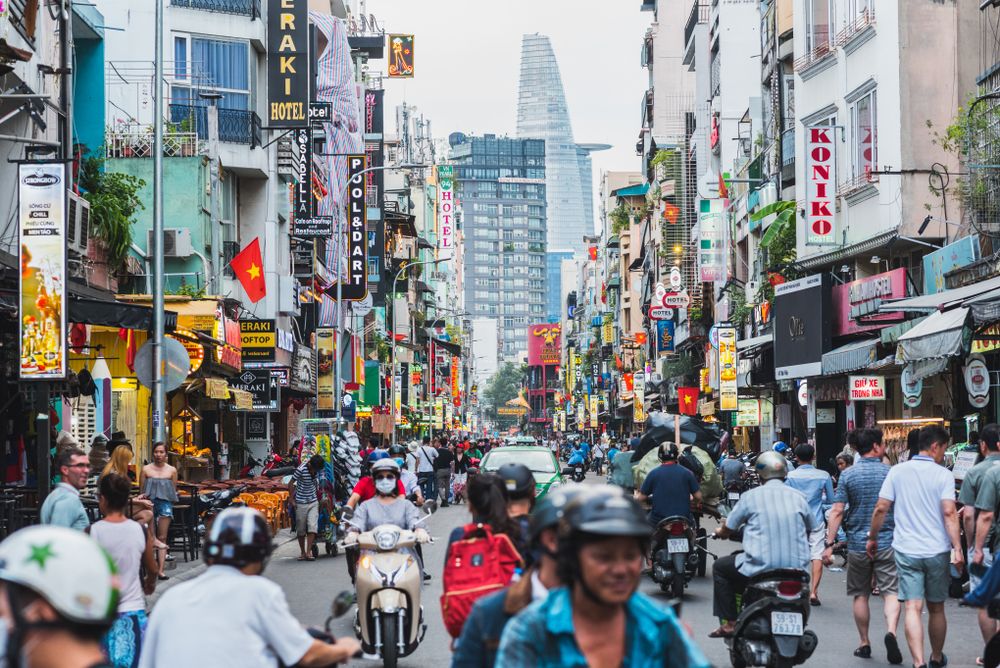
Vietnam’s Ministry of Construction has asked provincial and city governments to compile a report detailing the extent of foreign home ownership in the country, Vietnam News reported.
The ministry will use the information to evaluate the implementation of a policy allowing foreign organisations, individuals and Viet kieu (overseas Vietnamese) to purchase and own homes in the country.
The ministry is currently developing a project pertaining to the improvement of economic security in the housing and real estate sectors, Vietnam News noted.
The requested report will cover information on the number of foreigners, including Viet kieu, who own homes in a province or city. It should also determine the specific locations and types of properties that were acquired by foreigners before and after the Housing Law was promulgated.
More: A Trojan horse for Chinese influence
The report will also identify housing projects that did not allow foreigners to acquire units.
The Housing Law relaxed home ownership rules upon its implementation in 2014, allowing individual foreigners with an entry visa to purchase homes and emboldening foreign entities to invest in more property sectors.
More than 800 foreigners obtained home ownership certificates as of 2017, Vietnam News reported, citing figures from the Department of Housing and Real Estate Market Management.
In Ho Chi Minh City, the Chinese accounted for 31 percent of home purchases by foreigners in the first nine months of 2018, trailed by South Koreans at 19 percent; Hong Kongers (10 per cent); and Americans (3 percent), CBRE Vietnam revealed to Vietnam News.
Recommended
Is China’s housing market finally turning a corner?
Shanghai’s property revival raises hopes, but falling prices elsewhere point to a long recovery
Opportunity or trap? What Washington’s high-tech hub outside Manila means for Philippine property
The New Clark City Economic Security Zone promises billions in investment, but at what cost to Philippine sovereignty?

What Japan’s policy rate hike means for its property market
After decades of near-free borrowing, the country's policy rate is starting to reshape the calculations behind property investment

A conversation with the head of Vietnam’s Green Building Council on the cost of doing nothing
The VGBC’s Douglas Snyder argues that the real cost developers should fear isn’t building green. It’s failing to do so