Tokyo, Singapore hailed the smartest cities in Asia-Pacific
Two Asian cities rank top in IESE’s Cities in Motion Index
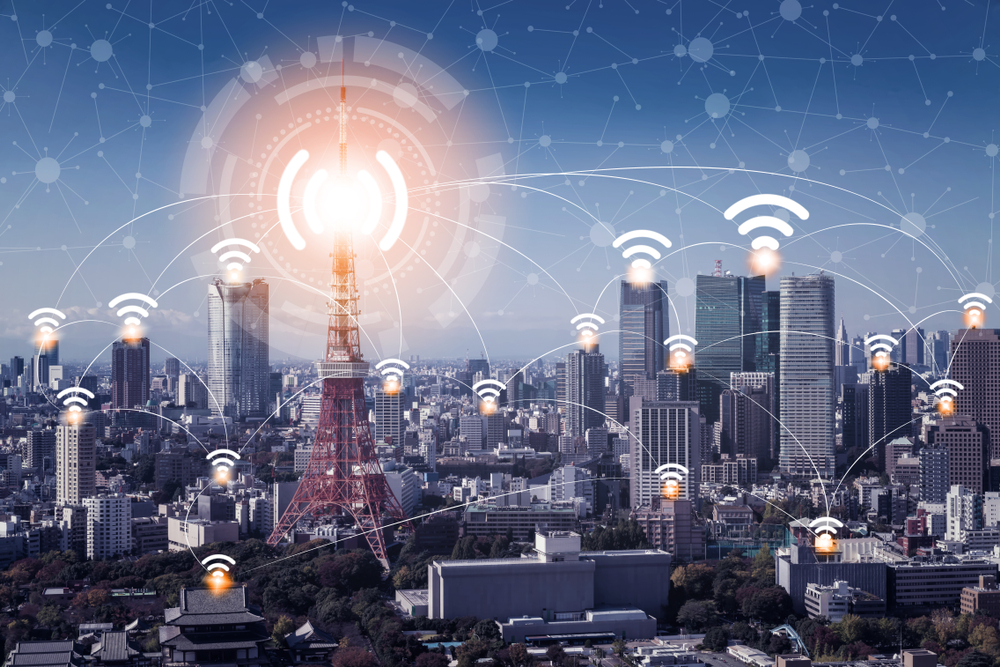
Tokyo and Singapore are the sixth and seventh smartest cities in the world, according to the latest annual Cities in Motion Index by business school IESE.
The Japanese capital and ASEAN city-state represent Asia-Pacific in a top 10 consisting mostly of European cities, led by London in first place globally.
Leading the ranking for Asia-Pacific, Tokyo has held sixth place globally for the last two years. Ranking seventh, Singapore stands ahead of Seoul (12th) and Taipei (30th).
Nine dimensions determined the ‘smartness’ of 174 cities across 80 countries. Tokyo ranks third worldwide in the dimension of economy, sixth in the environment, and ninth in human capital.
More: Asian cities score big in innovation, fall short in talent
Singapore features in the top 10 for the dimensions of international outreach and the environment. It also ranks first place for technology, followed by Hong Kong and San Francisco.
Hong Kong, in 11th place overall, has gained eight notches since last year’s ranking, the most of any city. At 19th place, Sydney is the top-ranked city within Oceania.
Although London tops the ranking overall, it remains to be seen how Brexit will affect the city’s future, IESE researchers conceded.
New York occupies the second spot globally due mainly to its “economic might.”
Recommended
Is China’s housing market finally turning a corner?
Shanghai’s property revival raises hopes, but falling prices elsewhere point to a long recovery
Opportunity or trap? What Washington’s high-tech hub outside Manila means for Philippine property
The New Clark City Economic Security Zone promises billions in investment, but at what cost to Philippine sovereignty?
What Japan’s policy rate hike means for its property market
After decades of near-free borrowing, the country's policy rate is starting to reshape the calculations behind property investment
A conversation with the head of Vietnam’s Green Building Council on the cost of doing nothing
The VGBC’s Douglas Snyder argues that the real cost developers should fear isn’t building green. It’s failing to do so