This city near Shanghai just imposed property curbs—again
Fourth batch of cooling measures this year for Suzhou
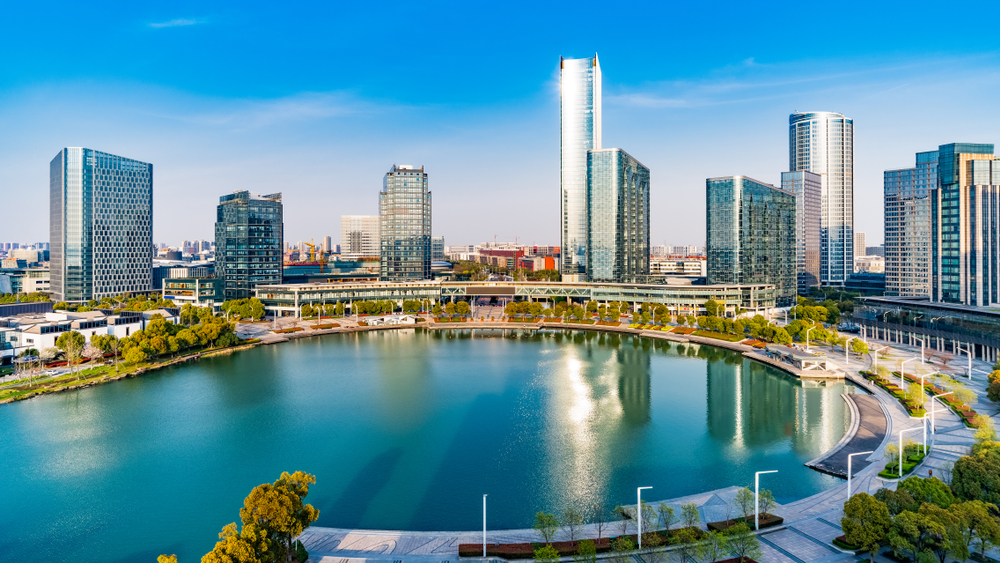
Housing authorities in the mainland Chinese city of Suzhou announced Wednesday another batch of cooling measures on the overheated property market, the South China Morning Post reported.
Broadening its jurisdiction to include the counties of Kunshan and Taicang, the local government increased Suzhou’s tax return period to two years. The tax return period is a requirement for non-resident buyers of homes in the city.
The new round of property curbs is “harsher” than market observers expected, according to Yan Yuejin, a research director with E-house China R&D Institute.
“It signals that [Chinese President Xi Jinping’s edict] of ensuring that housing is for living, not speculation will remain the theme that anchors property policies for the rest of the year. There is no hope for any significant change in housing policy.”
More: Meet the American architect changing China’s cities
Justifying the government’s latest moves are incendiary prices in Suzhou’s Industrial Park, a coveted address with some of the city’s best schools and workplaces. Suzhou on the whole is located close to Shanghai, making it an inherently attractive location for property investors.
New home prices in the Suzhou industrial park leaped 8.6 percent in the first half of 2019 to CNY36,212 yuan (USD5,270) per square metre, close to those in Shanghai, the Post noted, citing E-house data.
Prices in Xiangcheng district also skyrocketed 22.7 percent in H1 2019.
“The tightening policy in Suzhou certainly does not bode well for the Politburo’s stance on the property sector,” CCB International Holdings’ analyst Siu Fung Lung told the Post. “The policy is shifting toward a hawkish stance, from the more lenient statement of stabilising home, land price and market expectation in early 2019.”
Recommended
Is China’s housing market finally turning a corner?
Shanghai’s property revival raises hopes, but falling prices elsewhere point to a long recovery
Opportunity or trap? What Washington’s high-tech hub outside Manila means for Philippine property
The New Clark City Economic Security Zone promises billions in investment, but at what cost to Philippine sovereignty?

What Japan’s policy rate hike means for its property market
After decades of near-free borrowing, the country's policy rate is starting to reshape the calculations behind property investment

A conversation with the head of Vietnam’s Green Building Council on the cost of doing nothing
The VGBC’s Douglas Snyder argues that the real cost developers should fear isn’t building green. It’s failing to do so