Philippine economy, expected to grow 7.4% by end of year
Despite the overall bleak view for Asia Pacific, ADB raised its 2022 growth prediction for Southeast Asia to 5.5 percent from 5.1 percent
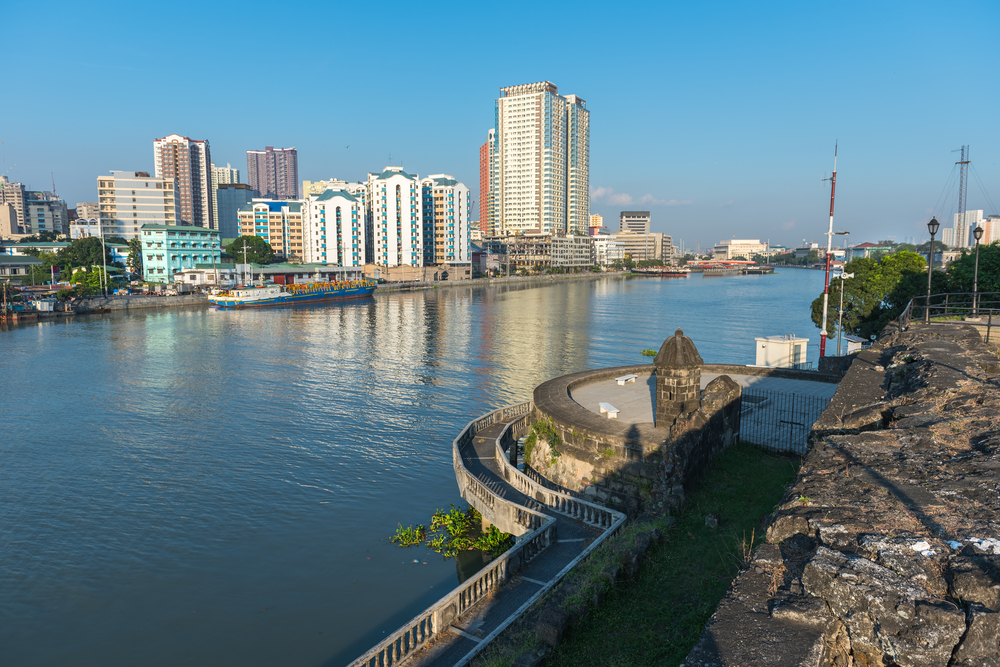
The Asian Development Bank expects the Philippine economy to expand 7.4 percent this year on the back of tourism and domestic demand. This is up from its forecast in September, which was 6.5 percent.
In 2023, however, growth is expected to slow down at a rate of six percent instead of the previously stated 6.3 percent, according to Xinhua. Several factors will contribute to the contraction next year, including inflation stickiness, higher interest rates, and a slowdown in advanced economies.
Despite the overall bleak view for Asia and the Pacific, the ADB raised its 2022 growth prediction for Southeast Asia to 5.5 percent from 5.1 percent. Southeast Asia’s GDP growth is predicted to drop to 4.7 percent in 2023, reported BusinessWorld.
Meanwhile, according to estimates, the country’s debt-to-GDP ratio will decrease by 50 percent if it achieves sustained economic growth by 2028.
More: The Philippines revises Q2 economic growth rate
Finance Secretary Benjamin E. Diokno said, “The debt-to-GDP ratio was below 40 percent before the pandemic, and went up to 62% this year as revenues fell while pandemic-related pending rose,” adding, “While the absolute level of debt may increase, the economy’s ability to pay also increases from the economic gains and investments it pursued, including where the debt is used for. As long as the economy grows faster than the growth of public debt then the level of debt becomes sustainable.”
The goal is to reduce the debt-to-GDP ratio to 61.8 percent by yearend, and 52.5 percent by 2028.
In the first nine months of 2022, the Philippine economy expanded by an average of 7.7 percent. To achieve the government’s full-year target of 6.5 to 7.5 percent, only 3.3 to 6.9 percent growth is needed in the fourth quarter.
The Property Report editors wrote this article. For more information, email: [email protected].
Recommended

A conversation with the VGBC’s executive director on the risk of not building green
The Vietnam Green Building Council's Douglas Snyder argues that the real cost developers should fear isn't building green

These 6 projects are among Asia’s greenest in 2026
Proof that better buildings are defined as much by how they operate as how they look
Indonesia’s property market feels the pinch of a reeling rupiah
As Jakarta tightens its grip on strategic minerals, investors are fleeing, leaving the property sector in limbo
Japan’s cities boom as rural towns hollow out
Millions of homes sit abandoned as the forces reshaping Japan's property market pull in opposite directions