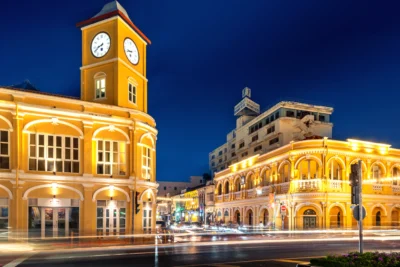
Thailand’s shopping centres show resilience in 2024, plus more headlines

For PropertyGuru’s real estate news roundup, Bangkok’s shopping centre market holds steady despite economic challenges. In other reports, Saudi Arabia’s office rental market has seen significant growth in Q3 2024, with an undersupply of premium office spaces pushing rents higher. Lastly, Australia’s property market underwent substantial shifts in 2024, as shown in ten comprehensive charts.
Bangkok shopping centre business 1H 2024: Knight Frank Thailand
Knight Frank Thailand’s latest report featured in RETalk Asia reveals that Bangkok’s shopping centre market holds steady despite economic challenges. Retail spaces in Bangkok continue to attract strong demand, especially from international tourists, with expansions and renovations enhancing the shopping experience. The report highlights key factors driving the market, including sustained consumer spending and increased tourist arrivals in the first half of 2024. This stability reflects the sector’s ability to adapt and innovate amid changing trends.
Undersupply continues to drive rent growth in Saudi Arabia’s office sector in Q3 2024: Report
Saudi Arabia’s office rental market has seen significant growth in Q3 2024, with an undersupply of premium office spaces pushing rents higher. According to a recent Economy Middle East report, major cities such as Riyadh and Jeddah have experienced an uptick in demand, driven by economic diversification efforts and a growing influx of businesses. Grade A and grade B office rentals have steadily increased. This trend underscores the need for new developments to meet rising demand.
10 charts that show how Australia’s property market changed this year
Australia’s property market underwent substantial shifts in 2024, with the latest PropTrack report illustrating trends such as fluctuating house prices, rising rents, and changing buyer demographics. One standout finding is that property prices have kept growing nationwide this year. However, the rate of growth has now slowed from the faster pace seen earlier in the year, thanks to poor affordability, a surge in stock for sale, and the sustained higher interest rate environment. Meanwhile, capital cities saw differing price trends, reflecting the diverse dynamics of local markets. These insights, presented in ten comprehensive charts, provide a snapshot of how economic and social factors shaped Australia’s real estate landscape over the year.
The Property Report editors wrote this article. For more information, email: [email protected].
Recommended
Investors double down on Jakarta despite Nusantara’s political rise
Density, demand, and capital flows continue to anchor real estate momentum in Greater Jakarta
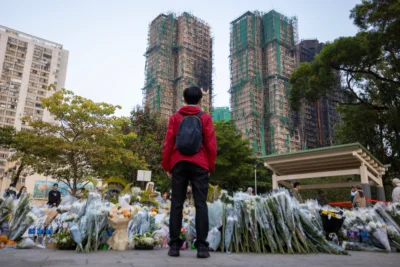
Hong Kong’s deadliest blaze in decades triggers stricter safety rules
But enforcement is the real test

A conversation with ThirdHome founder Wade Shealy
How luxury exchange reshapes home ownership, travel, and asset use
Trade politics and domestic fragility test the Philippines’ property market
How global uncertainty and internal divisions are redrawing the outlook