South Korean home sales plummet in H1 2019
Blame it on tough mortgage guidelines and other anti-speculation measures, say market observers
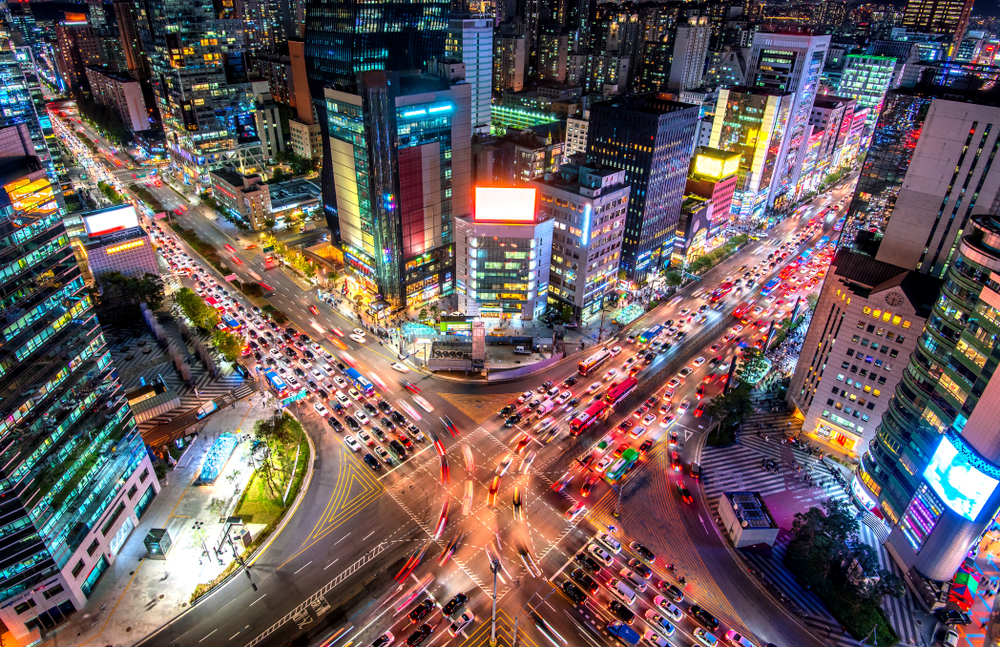
The number of residential properties sold in South Korea hurtled down 28 percent to 314,108 units in the first half of 2019, Yonhap reported, citing figures from the Ministry of Land, Infrastructure and Transport.
Home sales during the period are 35.8 percent short of the five-year average of 489,373. Last month alone, sales amounted to 54,893 units, down 15.6 percent on the year.
Tightened mortgage regulations and other heavy levies have dissuaded property seekers from residential purchases, according to market observers.
Under President Moon Jae-in, South Korea has introduced the measures over the last few months to cool the property sector’s overheated residential segment. The curbs reached a critical point on 13 September when the government unleashed sterner levies and lending guidelines on seekers of high-end housing and those looking to invest in more than one home.
More: South Korea’s smart cities getting smarter
While the measures were able to decrease home prices in Seoul’s affluent neighbourhoods, recent weekly fluctuation rates show that prices may be on the rebound.
On 1 July, apartment prices in Seoul posted a weekly growth of 0.02 percent, ending a streak of declines since November when the cooling measures were implemented, according to data from the Korea Appraisal Board.
“If the weekly fluctuation rate were to exceed 0.3 per cent and keep increasing, the government would deem the market to have become overheated and take further measures,” a senior official from the ministry warned.
Around 54 percent of real estate experts expect a price hike this year, according to a survey from the Korea Development Institute earlier this month.
Recommended
Is China’s housing market finally turning a corner?
Shanghai’s property revival raises hopes, but falling prices elsewhere point to a long recovery
Opportunity or trap? What Washington’s high-tech hub outside Manila means for Philippine property
The New Clark City Economic Security Zone promises billions in investment, but at what cost to Philippine sovereignty?
What Japan’s policy rate hike means for its property market
After decades of near-free borrowing, the country's policy rate is starting to reshape the calculations behind property investment

A conversation with the head of Vietnam’s Green Building Council on the cost of doing nothing
The VGBC’s Douglas Snyder argues that the real cost developers should fear isn’t building green. It’s failing to do so