South Korea plans to transform state-owned properties into residential apartments
The administration aims to add more than 132,000 new homes in Seoul by 2028 to cater to the limited new housing supply
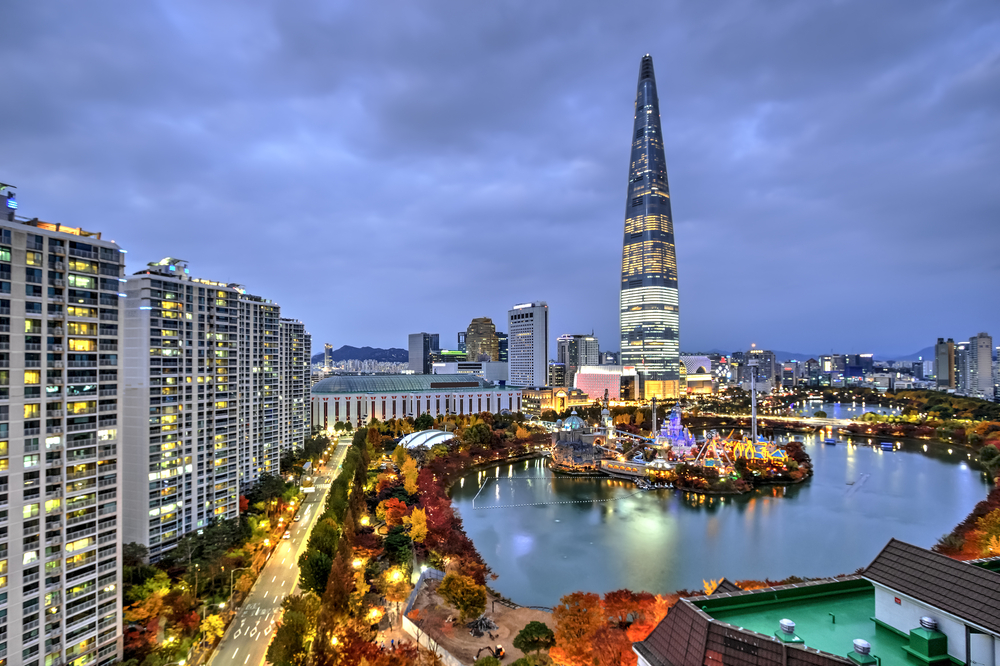
On Tuesday, South Korea announced that they will be constructing over 132,000 new homes in Seoul by 2028 to address the limited amount of new homes supply, reported Channel News Asia.
To achieve this, the Moon Kae-in administration explained that they will be easing building height restrictions and turning state-owned properties, including military sites and golf courses into residential areas.
This move is already the 23rd measure to cool rising home prices in the capital and the metropolitan region since both sales and rent prices have risen even though the administration has already introduced hefty real estate taxes and more stringent mortgage curbs.
Hong Nam-ki, the finance minister, communicated that military base Camp Kim in central Seoul, a driving test centre in western Seoul and state-owned Taereung golf course will be reconstructed into residential developments.
More: South Korea and China now recognised as real estate investment hotspots
He added that limitations on building heights will be relaxed to spur the renovation of old apartments in central Seoul.
“Stabilising the real estate market is the biggest policy goal for public welfare and our utmost priority,” he said. “(Tuesday’s measures) hopefully serves as a strong signal on new home supply.”
Online database site Numbeo revealed that Seoul’s home prices have surged to 44 percent in the last three years, which is the fastest recorded pace in the world.
Recommended
Gulf property markets trade panic for prudence
War upends West Asia, but property markets from Dubai to Riyadh refuse to break and attempt to regain their footing
Is China’s housing market finally turning a corner?
Shanghai’s property revival raises hopes, but falling prices elsewhere point to a long recovery
Opportunity or trap? What Washington’s high-tech hub outside Manila means for Philippine property
The New Clark City Economic Security Zone promises billions in investment, but at what cost to Philippine sovereignty?
What Japan’s policy rate hike means for its property market
After decades of near-free borrowing, the country's policy rate is starting to reshape the calculations behind property investment