Sluggish property markets detected in northern Taiwan
Transactions in Taipei and nearby cities wane in observance of Ghost Month
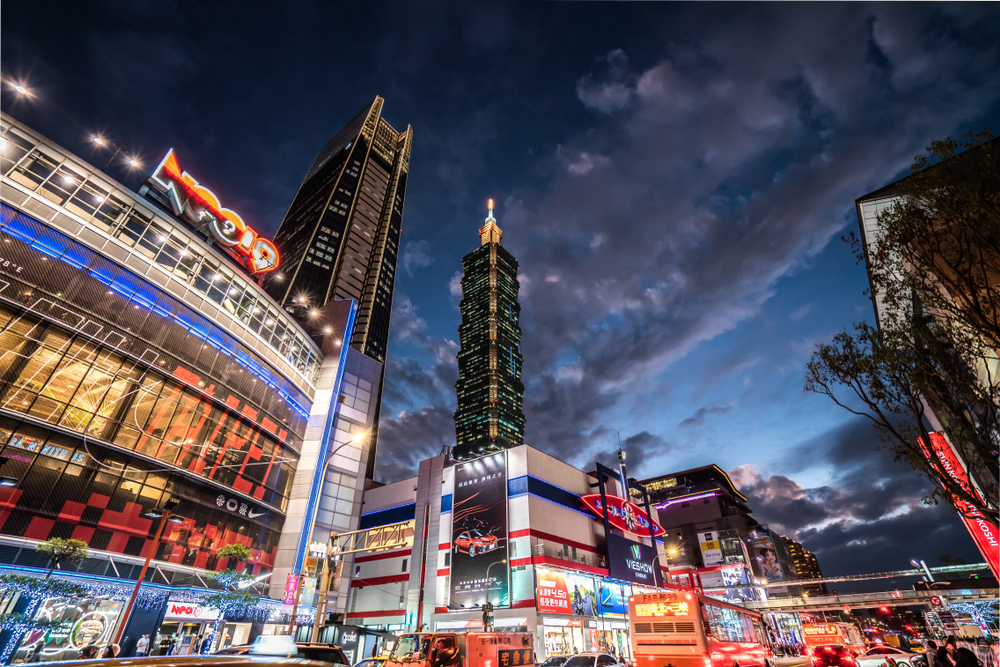
The housing index for northern Taiwan last month flashed a “yellow blue light” indicating sluggish growth in the commercial and residential market.
The index, prepared by real estate publication My Housing, stood at 33.1 in August, down 4.2 points from a month earlier.
Northern Taiwan covers the cities of Taipei, New Taipei, Keelung, Taoyuan, and Hsinchu cities and Hsinchu and Yilan counties. Together, the region accounts for around half of all residential and commercial property transactions in Taiwan.
More: Northern Taiwan home prices take off in fourth quarter
Analysts attributed the slowdown to effects of the Ghost Month, a traditionally slow season for big-ticket purchases. Observance of the lunar month taboo prompted developers to put listings of presale housing projects on hold, according to Ho Shih-chang, research manager at the magazine.
Consequently, the sub-index on presale residential property projects hit 7.63 in August, a decline of 1.09 points from a month earlier. The figure also marks the second steepest monthly decline in the six factors that comprise the index.
Meanwhile, the sub-index on transactions reached just 5.16, a decline of 1.88 points on the month. This is the steepest decline among the six factors.
The sub-index decline comes amid media reports that transactions of residential and commercial property in Taipei, New Taipei and Taoyuan had fallen 26 percent, 22 percent, and 20 percent, respectively.
Recommended
Is China’s housing market finally turning a corner?
Shanghai’s property revival raises hopes, but falling prices elsewhere point to a long recovery
Opportunity or trap? What Washington’s high-tech hub outside Manila means for Philippine property
The New Clark City Economic Security Zone promises billions in investment, but at what cost to Philippine sovereignty?

What Japan’s policy rate hike means for its property market
After decades of near-free borrowing, the country's policy rate is starting to reshape the calculations behind property investment

A conversation with the head of Vietnam’s Green Building Council on the cost of doing nothing
The VGBC’s Douglas Snyder argues that the real cost developers should fear isn’t building green. It’s failing to do so