Two Singapore property developers among the global 100 list of sustainable companies
Evaluated for metrics such as reduction in carbon and waste, board gender diversity, and others
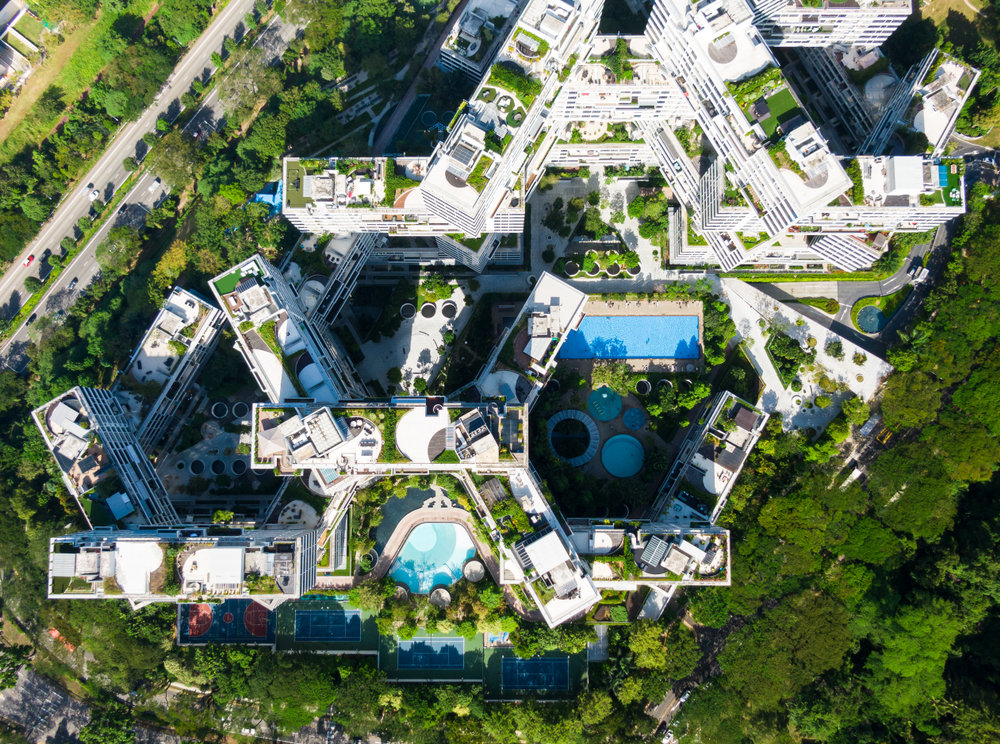
Albeit dropping from the 25th and 33rd spot last year, Singapore property developers City Developments (CDL) and CapitaLand still managed to take the 36th and 63rd spot respectively on the 16th annual list of 100 most sustainable large corporations across the globe, according to The Straits Times.
The Global 100 ranking rates big companies anywhere in the world based on metrics, such as reduction in carbon and waste, clean revenue, board gender diversity, and CEO-to-average-worker-pay ratio. Toronto-based sustainable-business magazine and research company Corporate Knights compiled this year’s ranking.
For each company’s total score, 50 percent were based on the clean revenue metric, which is the amount earned from services or products with environmental or clearly-defined social benefits.
The top 100 for this year was among the 7,395 publicly-listed corporations with over USD1 billion in revenue. They will then be evaluated based on publicly-available data.
Out of the 229 real estate companies included in the study, CDL came first, followed by CapitaLand.
“Climate change affects all of us and concerted action is needed to mitigate its impact,” said CDL group chief executive Sherman Kwek.
“Beyond delivering financial performance, businesses have a responsibility to their investors, stakeholders, and the community to drive environmental stewardship. We are immensely honoured to be recognised as the world’s most sustainable real estate company.”
Lynette Leong, chief sustainability officer at CapitaLand, added: “As one of Asia’s largest diversified real estate groups, CapitaLand can affect a greater positive influence through our enlarged portfolio and operations.”
Recommended

This cybersecurity pioneer explains why digital resilience is becoming real estate’s next quality benchmark
Duncan Simpson on the hidden vulnerabilities in connected buildings and why cyber risk is now a property issue

6 projects raising the bar for workplaces across Asia
Smarter systems, tighter operations, and rising occupier expectations redefine the commercial building
As foreign buyers retreat, a new generation of Singaporeans steps up
Affluent locals underpin stability, but a widening gulf between launches and resales reshapes the landscape

Vietnam’s developers and policymakers see openings as buyers chase affordability
Tight supply and rampant speculation push house prices beyond the reach of domestic buyers