The biggest co-living space in Australia opens this November
With co-living, tenants can enjoy high-end rooms and participate in fun social activities in the comforts of their own short- or long-term home
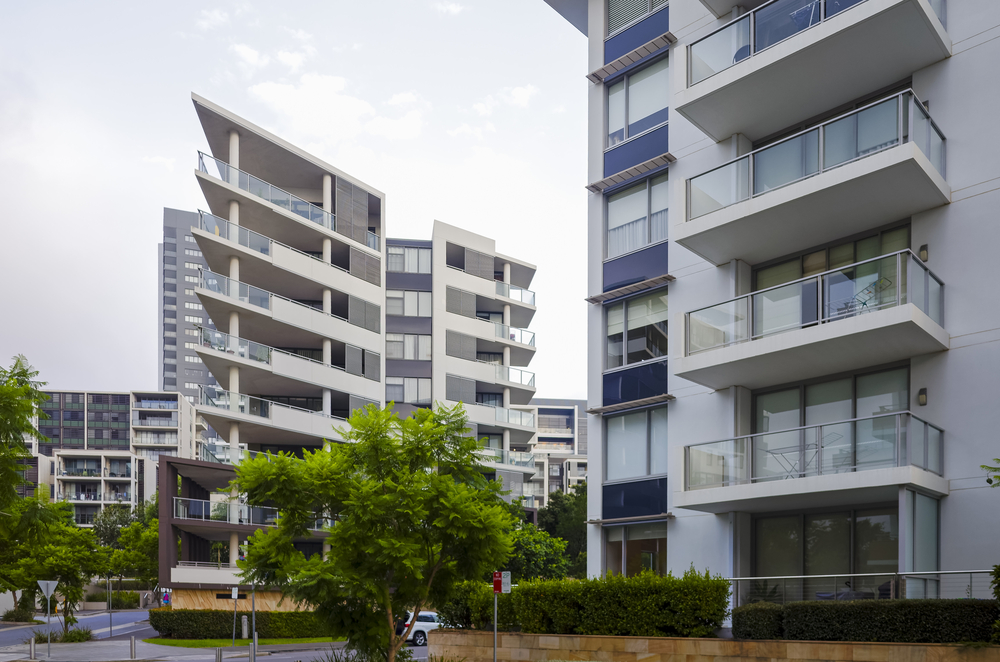
Hmlet, a co-living specialist based in Singapore, constructed the biggest co-living space in Australia. According to The Australian Financial Review, the property is situated in the inner west suburb of St. Peters and is set to open its doors on November 15.
Called St. Peters Hmlet, the property was originally a part of a 38-unit apartment block Hmlet leased from a private eastern suburbs developer who intended on offering the entire block as build-to-rent units.
Now, the four-storey warehouse has been converted to a co-living space with 82 rooms, inching Hmlet closer to its objective of operating 500 beds in Australia by the end of the year.
Co-living spaces provide tenants with the flexibility to rent high-end rooms on a short- or a long-term contract, following the boarding house provisions.
But unlike Airbnb and private leases, this type of accommodation is driven by a sense of community where operators like Hmlet are more social, setting up regular community activities for every hub.
More: Australia’s housing market bounces back, with a $2,000 weekly price increase
St. Peters Hmlet is in a strategic location, just right next to the St. Peters train station and only takes a 12-minute commute to the city.
“We chose St. Peters as our latest and largest property to date in Australia, given its close proximity to the city and vibrancy of the surrounding suburbs,” said Hmlet Australia managing director Chrystan Paul.
“Our decision was also aided by the fact that our Newtown property is a few hundred metres away and has had 100 percent occupancy since opening earlier this year, therefore we know there is high demand from our members to live in the area.”
Recommended
Opportunity or trap? What Washington’s high-tech hub outside Manila means for Philippine property
The New Clark City Economic Security Zone promises billions in investment, but at what cost to Philippine sovereignty?

What Japan’s policy rate hike means for its property market
After decades of near-free borrowing, the country's policy rate is starting to reshape the calculations behind property investment

A conversation with the head of Vietnam’s Green Building Council on the cost of doing nothing
The VGBC’s Douglas Snyder argues that the real cost developers should fear isn’t building green. It’s failing to do so

These 6 projects are among Asia’s greenest in 2026
Proof that better buildings are defined as much by how they operate as how they look