Singapore and the green move to economic recovery
The green economy is considered to be an emerging high-growth area
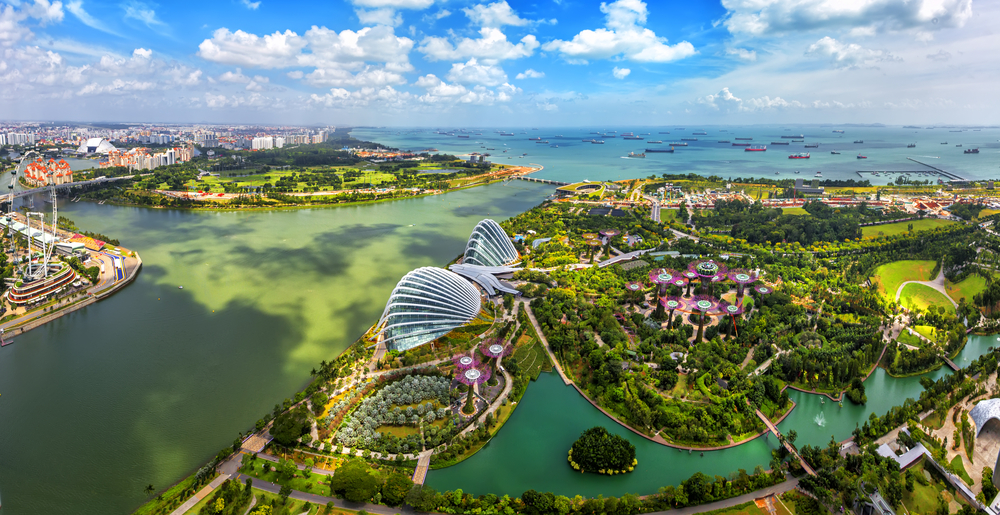
The Ministry of Trade and Industry reported that Singapore’s economy will experience a steady, albeit slow, growth this year.
The organisation revealed that Singapore’s economy expanded 7.6 percent in 2021, which was above the initial expected growth of “around 7 percent.” This can be attributed to the finance and insurance, manufacturing, and wholesale trade sectors. This also set the record for the fastest full-year growth since 2010, which was 14.5 percent.
The 2022 GDP growth broadcast is at a maintained rate of 3 to 5 percent.
In a statement to Channel News Asia, Capital Economics’ economist Alex Holmes stated that the Omicron variant is but a small obstacle in the way of Singapore’s recovering economy.
“One of the world’s most widespread vaccination coverages has enabled the Government to treat this differently from other waves – containment measures were actually simplified and slightly loosened yesterday.” He added, “Overall, the economic impact of Omicron looks set to be relatively mild and brief. We expect the recovery to be back on track by next quarter.”
More: Indonesia uses green economy to create jobs
The green economy is considered to be an emerging high-growth area. This is where enterprises in existing sectors increase their efforts to achieve sustainable growth through low carbon emissions, resource efficiency, and social inclusion, alongside the rise of new green sectors.
In 2021, the government launched the Singapore Green Plan 2030, which is a multi-ministry roadmap that outlines the five pillars that Singapore needs to achieve to be more environmentally sustainable.
For a green ecosystem to work, it needs sustainability professionals in the public and private sectors.
The National University of Singapore recently announced the establishment of a new Master’s degree in Sustainable and Green Finance. This aims to nurture and empower a new generation of professionals in the business and financial sectors for a greener economy in the future.
The Property Report editors wrote this article. For more information, email: [email protected].
Recommended
A conversation with the VGBC’s executive director on the risk of not building green
The Vietnam Green Building Council's Douglas Snyder argues that the real cost developers should fear isn't building green

These 6 projects are among Asia’s greenest in 2026
Proof that better buildings are defined as much by how they operate as how they look
Indonesia’s property market feels the pinch of a reeling rupiah
As Jakarta tightens its grip on strategic minerals, investors are fleeing, leaving the property sector in limbo
Japan’s cities boom as rural towns hollow out
Millions of homes sit abandoned as the forces reshaping Japan's property market pull in opposite directions