Shenzhen to trade Hong Kong housing model for Singapore-style policy
Mainland Chinese city to take a leaf out of the Little Red Dot’s playbook by 2035
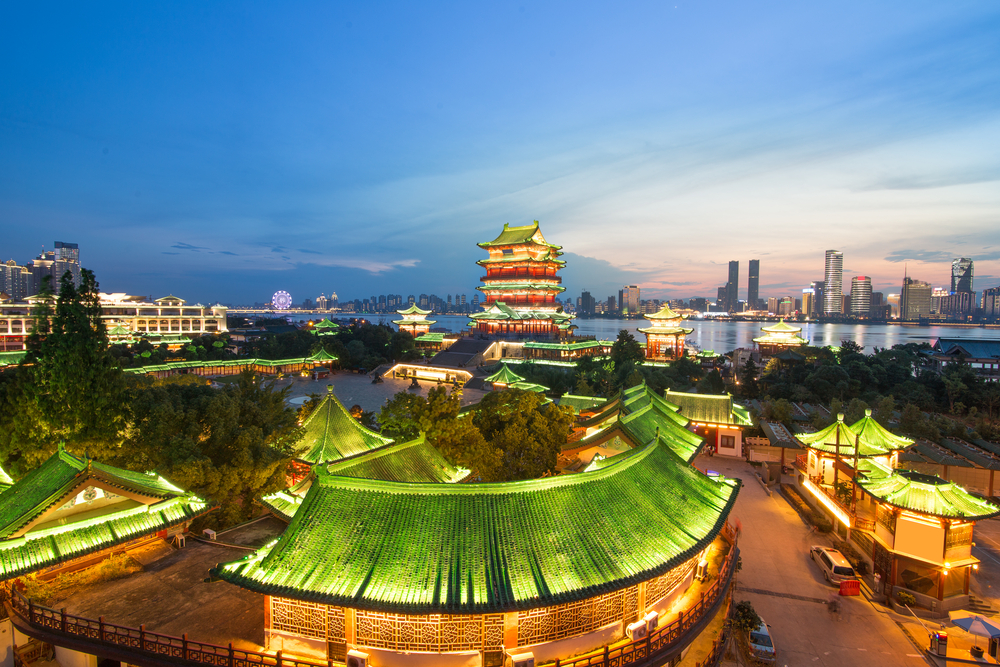
The Shenzhen government is set to provide one million subsidised homes to low-income property seekers, taking a leaf from Singapore’s longstanding Housing & Development Board (HDB) scheme.
The subsidised units will be offered at as low as half of the market rate and include public flats leasing for 30 percent of the market rent, according to a consulting paper released last week by the Housing and Construction Bureau of Shenzhen. A third type of unit will be provided at 60 percent of the market rate.
“Shenzhen would like to be a pioneer seeking a scheme more like Singapore, separating more affordable homes to average individuals seeking a place to live,” said Li Yujia, senior economist with the Real Estate Assessment and Development Research Centre, Shenzhen.
The initiative is part of Shenzhen’s announcement last year to offer 1.7 million homes by 2035. Sixty percent of these will be government-subsidised in efforts to contend with the city’s increasingly incendiary prices.
More: Hong Kong buyers splurge $1.5bn on Greater Bay Area homes
“Currently we are still using a Hong Kong model, where most homes are built and sold as commercial products in the private market and only a small portion of cheap rental flats are designed for the poorest,” Li said.
Government homes accounted for less than 20 percent of housing stock in Shenzhen in 2018, the South China Morning Post noted.
Shenzhen properties are currently among the most expensive in China, with prices averaging USD680,283, according to CBRE’s Global Living 2019 survey.
Recommended
Opportunity or trap? What Washington’s high-tech hub outside Manila means for Philippine property
The New Clark City Economic Security Zone promises billions in investment, but at what cost to Philippine sovereignty?

What Japan’s policy rate hike means for its property market
After decades of near-free borrowing, the country's policy rate is starting to reshape the calculations behind property investment

A conversation with the head of Vietnam’s Green Building Council on the cost of doing nothing
The VGBC’s Douglas Snyder argues that the real cost developers should fear isn’t building green. It’s failing to do so

These 6 projects are among Asia’s greenest in 2026
Proof that better buildings are defined as much by how they operate as how they look