Real estate firms to focus more on healthcare and wellness technology
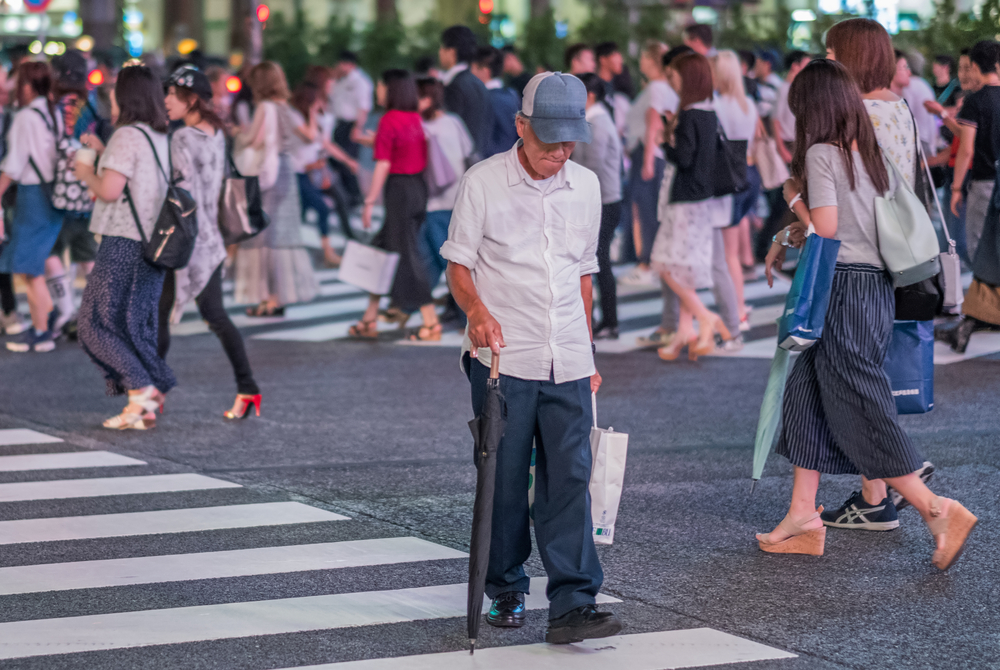
As ageing population in Thailand continues to grow, so does the demand for healthcare and wellness focused real estate development, reports Bangkok Post.
Chairman of healthcare technology and service provider Borderless Healthcare Group, Wei Siang Yu said “the next wave coming up is condos with connected services. Most buyers of new homes today are in their 20s, 30s or early 40s. They are IT-savvy and live in an age in which services come to them.”
He added that key consumer group will be millennials, where they would need go buy something that could cater to their parents needs as well. “They want services,” he said.
In regard to healthcare, he added “hospitals will no longer be valued by the number of beds, but rather the number of consumers the hospital connects or families it is serving.”
With cloud-based services, hospital investors can have a group of top-class, internationally renowned medical experts converging with local doctors with the multilingual video call centre.
Hotel sector can also generate revenue from other services with connected-living tech like a medical consultancy. Guests can consult with doctor in a hospital via connected devices like the TV screen.
Suphin Mechuchep, managing director of property consultant Jones Lang LaSalle Thailand said “property technology [proptech] and wellness are the next big things that will transform the sector.”
Recommended

What Japan’s policy rate hike means for its property market
After decades of near-free borrowing, the country's policy rate is starting to reshape the calculations behind property investment

A conversation with the head of Vietnam’s Green Building Council on the cost of doing nothing
The VGBC’s Douglas Snyder argues that the real cost developers should fear isn’t building green. It’s failing to do so

These 6 projects are among Asia’s greenest in 2026
Proof that better buildings are defined as much by how they operate as how they look
Indonesia’s property market feels the pinch of a reeling rupiah
As Jakarta tightens its grip on strategic minerals, investors are fleeing, leaving the property sector in limbo