Chinese government constructs 13 public housing projects to cater to Shenzhen residents’ needs
Inspired by Singapore, experts recommend residents to consider public housing
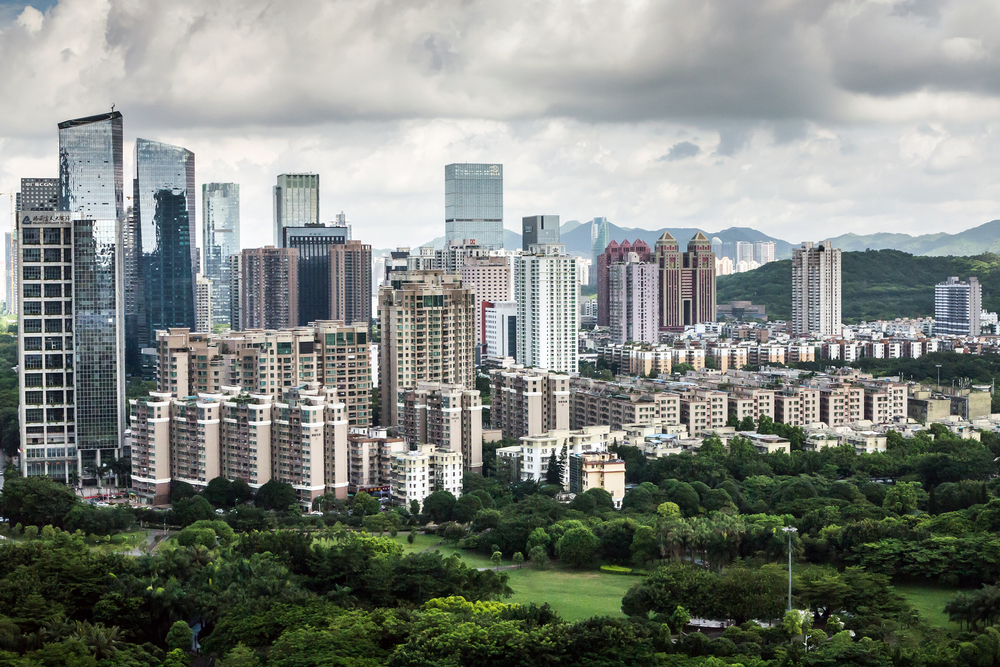
In an effort to showcase the reform and opening-up of China, 13 public housing projects, amounting to 11,000 apartments, are being built in Shenzhen. Based on a report published by Asia Times, the officials invested CNY13 billion (USD1.9 billion) on the project.
Each public housing unit will cost CNY20,000 per square metre, or around 50 to 60 percent of the market rate in the neighbouring districts, revealed the Shenzhen Municipal Housing and Construction Bureau.
Yan Yuejin, research director of the thinktank of E-house China, told Asia Times that public housing units will enable non-local professionals to have a more secure residency and spend less on their expenses, substantially reducing their general cost of living.
More: China leads global house price index for first time in a decade
Major global firms, such as Tencent Holdings and Huawei Technologies, are headquartered in Shenzhen. Over the years, the province has attracted a massive number of immigrants thanks to its rapidly-growing economy and growing number of job opportunities.
Shenzhen is also home to the youngest urban population, with 32.5 as the median age of permanent residents. However, most of the young people who moved to this city to pursue their dreams cannot afford to buy their own homes because of extremely high housing prices.
To address this, the Shenzhen Municipal Government began the rehabilitation of the housing system last year.
By 2035, officials aim to complete at least 60 percent of the 1.7 million affordable units for non-local professionals.
“In the long run, China should abandon the Hong Kong model but adopt the Singapore one, which is dominated by public housing with private housing as a supplement,” said Snow, a Hong Kong-based real estate researcher.
Recommended
Is China’s housing market finally turning a corner?
Shanghai’s property revival raises hopes, but falling prices elsewhere point to a long recovery
Opportunity or trap? What Washington’s high-tech hub outside Manila means for Philippine property
The New Clark City Economic Security Zone promises billions in investment, but at what cost to Philippine sovereignty?

What Japan’s policy rate hike means for its property market
After decades of near-free borrowing, the country's policy rate is starting to reshape the calculations behind property investment

A conversation with the head of Vietnam’s Green Building Council on the cost of doing nothing
The VGBC’s Douglas Snyder argues that the real cost developers should fear isn’t building green. It’s failing to do so