Singapore home prices still growing, albeit slowly
Transactions beyond the core central region outnumber luxury sales in Q3, according to flash estimates
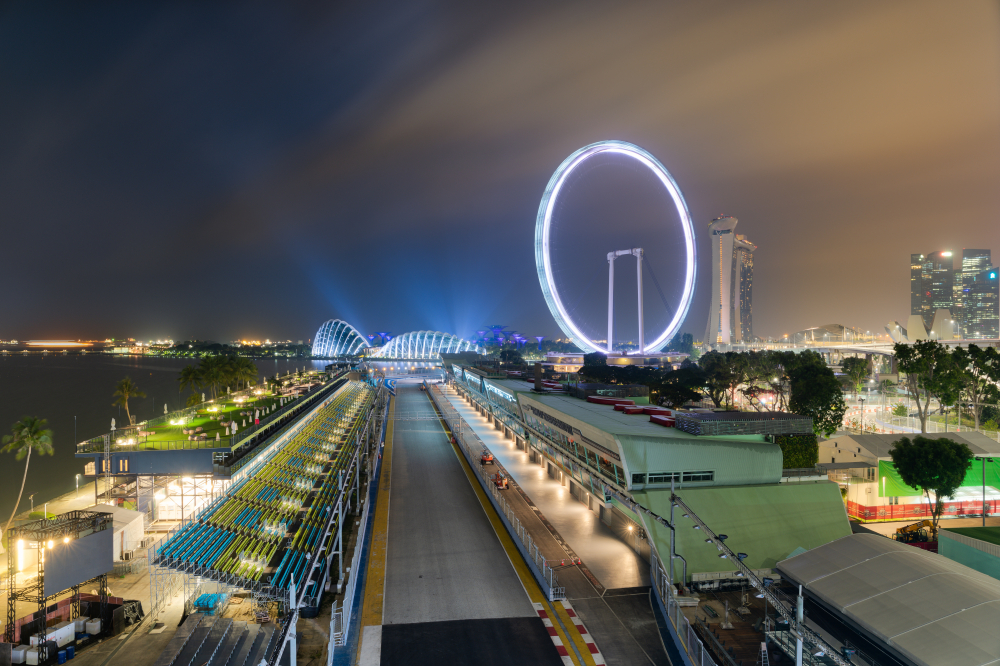
Private home prices in Singapore increased by 0.9 percent between the second and third quarters of the year, according to flash estimates issued Tuesday by the Urban Redevelopment Authority (URA).
This marks the second consecutive quarter of increases for private home prices, after the agency recorded a quarterly rise of 1.5 percent in Q2 2019.
Private home prices increased 1.7 percent for the first three quarters of 2019, in tandem with OrangeTee & Tie’s forecasts of a one- to three-percent increase for the whole year.
“The slower pace of price increase is within expectation possibly because most developers and sellers of resale homes have kept prices at attractive levels to clear their existing stock,” commented Christine Sun, head of research and consultancy at OrangeTee & Tie.
Prices of non-landed private homes climbed 2.9 percent quarter-on-quarter in Core Central Region (CCR) in Q3 2019, up from the 2.3 percent increase in the previous quarter. Non-landed private home prices in the Rest of Central Region (RCR) rose 1.6 percent, down from a surge of 3.5 percent in the previous quarter. Prices in Outside Central Region (OCR) inched forward by 0.7 percent, edging out the increase of 0.4 percent in Q2.
Fewer luxury homes were sold in the CCR in the three months to Q3 2019, Sun noted.
“More mass-market (OCR) and city fringe private homes (RCR) were being transacted last quarter, which may have lowered the average pricing for the entire market as reflected by the slower pace of price growth in Q3.”
Around 5,039 private homes, excluding executive condominiums, were transacted from 1 July to 22 September 2019, more than the 4,766 units sold for the full quarter of Q2 2019, advanced estimates on URA Realis showed.
Singapore’s private residential property index hit 152.2 points in the third quarter of 2019, up 1.4 points from 150.8 points in Q2 2019. “We expect prices to remain relatively stable for the rest of the year as the underlying demand for private homes is still healthy despite the current macro-economic uncertainties,” said Sun.
Recommended
Is China’s housing market finally turning a corner?
Shanghai’s property revival raises hopes, but falling prices elsewhere point to a long recovery
Opportunity or trap? What Washington’s high-tech hub outside Manila means for Philippine property
The New Clark City Economic Security Zone promises billions in investment, but at what cost to Philippine sovereignty?
What Japan’s policy rate hike means for its property market
After decades of near-free borrowing, the country's policy rate is starting to reshape the calculations behind property investment

A conversation with the head of Vietnam’s Green Building Council on the cost of doing nothing
The VGBC’s Douglas Snyder argues that the real cost developers should fear isn’t building green. It’s failing to do so