Philippine offshore gaming operators, a crucial contributor to commercial market
By the end of the year, office take-up is expected to reach the 750,000 to 800,000 sq m mark
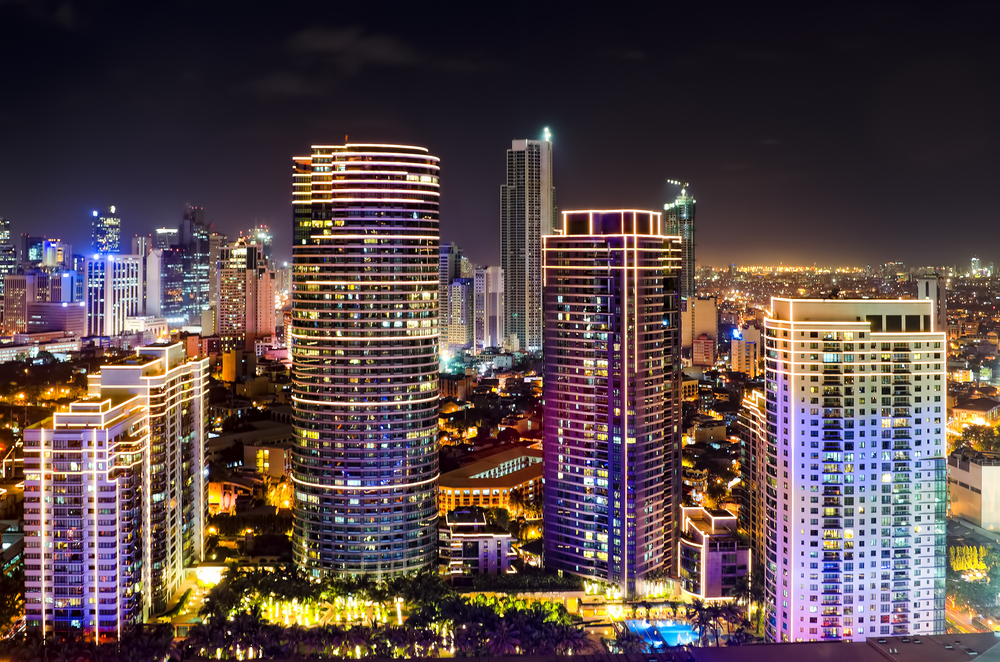
As long as Philippine Offshore Gaming Operators (POGOs) are permitted to operate, several segments of the real estate market will sustain their upward trend, according to Leechiu Property Consultants, Inc.
Additionally, it anticipates that demand for commercial properties will remain, as jobs could be shifted to the country in case a global downturn occurs, reported BusinessWorld.
Alvin Magat, director for investment sales at Leechiu, seconded this sentiment, saying that POGOs are crucial for the commercial market to maintain its upward trend in the coming year.
“Yes, it will be positive for commercial properties considering that POGO will stay because if that will be gone right now, we will need to come up with a demand that will fill up all the supply that will be left out by the POGO industry,” said Magat.
Meanwhile, BusinessMirror noted that Q3 office demand registered reached 313,000 sq m, the highest quarterly level recorded since January 2020. Furthermore, office demand went up by 78 percent from 2020 to year-to-date.
More: The Philippines’ office market continues to gain momentum as H1 2022 comes to a close
By the end of the year, office take-up is expected to reach the 750,000 to 800,000 sq m mark, as notable live requirements, or office transactions in various stages, are currently at 488,000 sq m.
On the other hand, a total ban on POGOs may trigger another crisis in the property market, as it may result in approximately PHP200 billion (USD3.4 billion) in annual losses, according to Philstar.com.
In addition to the additional vacancies caused by the complete ban on POGOs, there will also be an additional 1.1 million square meters of office space. Consequently, according to LPC estimates, the POGO exodus could result in losses of roughly PHP190 billion (USD3.2 billion).
The Property Report editors wrote this article. For more information, email: [email protected].
Recommended
6 of Southeast Asia’s finest integrated districts
Master-planned townships are re-emerging as a practical response to rapid urbanisation
6 award-winning projects bringing resort living to the city
Resort residences are increasingly focused on year-round use in urban destinations

How China became the testing ground for Zaha Hadid Architects’ boldest ideas
A conversation with associate director Shao-wei Huang on architecture without precedent
Allan Zeman on Phuket’s luxury evolution and the vision behind Sudara
The real estate legend is harnessing his deep knowledge to take the residential sector in Phuket to new heights