Philippine offshore gaming operators, a crucial contributor to commercial market
By the end of the year, office take-up is expected to reach the 750,000 to 800,000 sq m mark
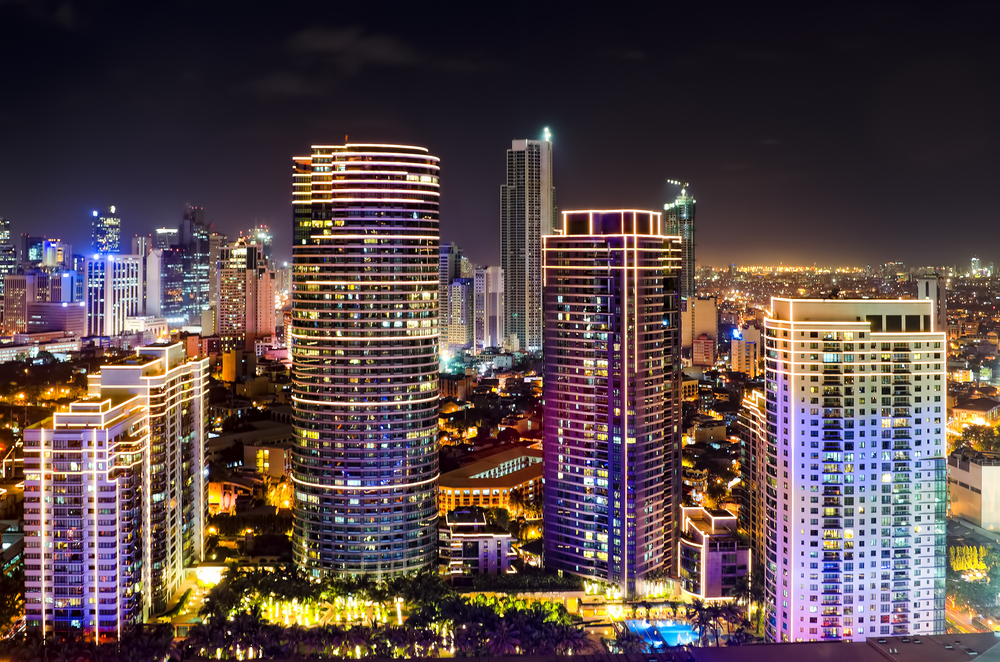
As long as Philippine Offshore Gaming Operators (POGOs) are permitted to operate, several segments of the real estate market will sustain their upward trend, according to Leechiu Property Consultants, Inc.
Additionally, it anticipates that demand for commercial properties will remain, as jobs could be shifted to the country in case a global downturn occurs, reported BusinessWorld.
Alvin Magat, director for investment sales at Leechiu, seconded this sentiment, saying that POGOs are crucial for the commercial market to maintain its upward trend in the coming year.
“Yes, it will be positive for commercial properties considering that POGO will stay because if that will be gone right now, we will need to come up with a demand that will fill up all the supply that will be left out by the POGO industry,” said Magat.
Meanwhile, BusinessMirror noted that Q3 office demand registered reached 313,000 sq m, the highest quarterly level recorded since January 2020. Furthermore, office demand went up by 78 percent from 2020 to year-to-date.
More: The Philippines’ office market continues to gain momentum as H1 2022 comes to a close
By the end of the year, office take-up is expected to reach the 750,000 to 800,000 sq m mark, as notable live requirements, or office transactions in various stages, are currently at 488,000 sq m.
On the other hand, a total ban on POGOs may trigger another crisis in the property market, as it may result in approximately PHP200 billion (USD3.4 billion) in annual losses, according to Philstar.com.
In addition to the additional vacancies caused by the complete ban on POGOs, there will also be an additional 1.1 million square meters of office space. Consequently, according to LPC estimates, the POGO exodus could result in losses of roughly PHP190 billion (USD3.2 billion).
The Property Report editors wrote this article. For more information, email: [email protected].
Recommended

What Japan’s policy rate hike means for its property market
After decades of near-free borrowing, the country's policy rate is starting to reshape the calculations behind property investment

A conversation with the head of Vietnam’s Green Building Council on the cost of doing nothing
The VGBC’s Douglas Snyder argues that the real cost developers should fear isn’t building green. It’s failing to do so

These 6 projects are among Asia’s greenest in 2026
Proof that better buildings are defined as much by how they operate as how they look
Indonesia’s property market feels the pinch of a reeling rupiah
As Jakarta tightens its grip on strategic minerals, investors are fleeing, leaving the property sector in limbo