Philippine home prices rise for seven quarters
Rising condominium costs power residential property price increases in Manila
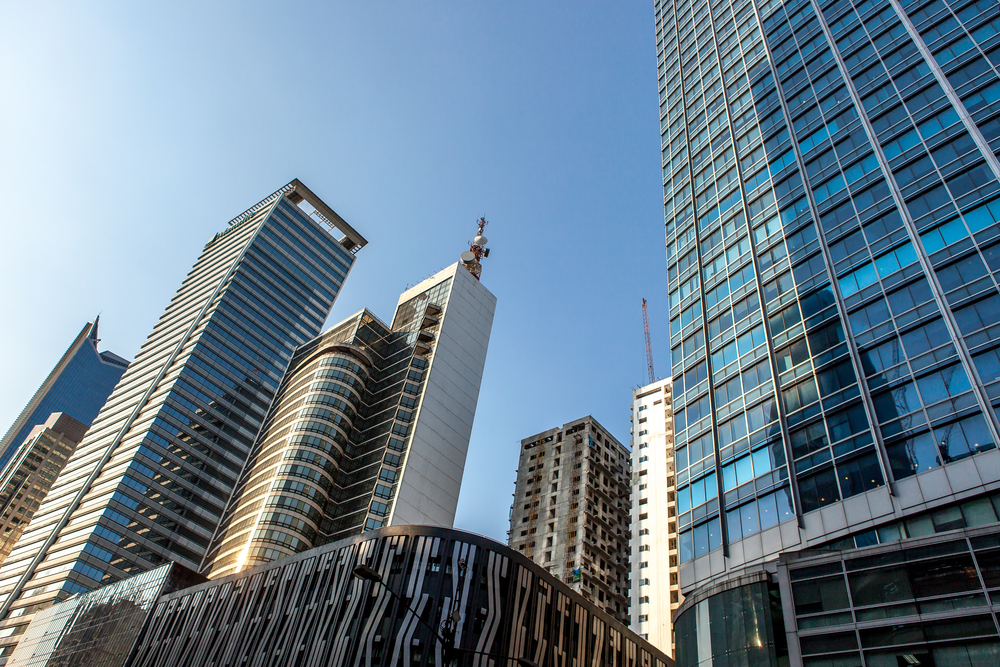
The Philippine central bank’s residential real estate price index (RREPI) rose 3.1 percent on average in the year to the first quarter of 2019, marking the seventh consecutive quarter of home price increases in the country.
Standing at 119.9 from 116.3 a year ago, the index measures the change in prices of various types of housing units, from condominiums and duplex units to landed homes, according to data from housing loans extended by banks.
The index also increased 1.6 percent quarter-on-quarter. Annually, prices of condominium units and townhouses increased by 10.9 percent and 9.6 percent, respectively, the central bank reported.
Duplex units and single-detached housing units, however, saw their prices drop eight percent and 1.7 percent, respectively.
More: Property markets outside Manila to grow by 2022
Both Metro Manila or the National Capital Region (NCR) and provincial areas saw marked increases, at 8.7 percent and 0.4 percent, respectively.
“In [NCR], the rise in the average residential property prices was largely due to the increase in the prices of condominium units. In areas outside NCR, all types of housing units registered price increases, except for single detached houses, which recorded a decline,” the central bank reported.
Around 74 percent of residential real estate loans (RRELs) were applied on the purchase of new housing units in Q1 2019, with 46.2 percent of loans used for acquiring single detached units.
Recommended
Opportunity or trap? What Washington’s high-tech hub outside Manila means for Philippine property
The New Clark City Economic Security Zone promises billions in investment, but at what cost to Philippine sovereignty?
What Japan’s policy rate hike means for its property market
After decades of near-free borrowing, the country's policy rate is starting to reshape the calculations behind property investment

A conversation with the head of Vietnam’s Green Building Council on the cost of doing nothing
The VGBC’s Douglas Snyder argues that the real cost developers should fear isn’t building green. It’s failing to do so

These 6 projects are among Asia’s greenest in 2026
Proof that better buildings are defined as much by how they operate as how they look