Owning the Stay: How luxury home-sharing is redefining real estate in Asia
ThirdHome expands into Thailand, Bali, Niseko, and Vietnam, offering second-home owners a global alternative to Airbnb

Luxury home-sharing is emerging as a powerful tool for property owners and developers across Asia, providing an alternative to traditional short-term rental platforms for second and vacation homes. ThirdHome, the U.S.-based luxury home-exchange network, is leading this shift, expanding aggressively into Thailand’s resort markets, Bali, Japan’s Niseko, and Vietnam’s luxury destinations.
Founded in 2010 by Wade Shealy, ThirdHome enables owners of high-end vacation properties to exchange unused weeks in their homes for stays at other luxury residences worldwide. With a portfolio of 30,000 homes in 103 countries, the platform allows members to travel without paying full rental rates, turning idle vacation homes into gateways for global exploration.
“I always wondered why there wasn’t a platform where owners could travel without having to sell their home,” Shealy told attendees at the recent C9 Sessions Phuket Real Estate Forum 2025.
Asia’s rapidly growing luxury real estate market has become a strategic focus for ThirdHome. “A lot of our members from Australia, Europe, and the US want to come to Asia, so we need more properties here,” Shealy explains.
Thailand, in particular, offers world-renowned resorts, strong airlift, and a surge of branded residences. In Phuket alone, more than 43,000 new residential units are entering the market, creating fertile ground for partnerships with developers.
Related: Shifting demand, smarter investments in Phuket vacation rentals
For developers, integrating a luxury home-sharing network can be a compelling differentiator. Shealy emphasised: “Buyers today are very mobile. They don’t want to spend millions and go to the same place repeatedly. Ten years from now, I believe few people will buy a vacation home without a club like ThirdHome attached.”
By partnering with developers, ThirdHome not only enhances the appeal of new properties but also drives qualified leads to luxury projects—40% of members visiting partner resorts ultimately purchase properties themselves.
The network’s value extends to homeowners as well. Members pay roughly USD900 for a week-long stay in properties valued from USD1 million to USD70 million, accessing everything from yachts and castles to vineyard estates. This model offers a curated, high-end alternative to Airbnb, particularly for owners of multiple homes seeking seamless global travel experiences without the complexities of managing short-term rentals.
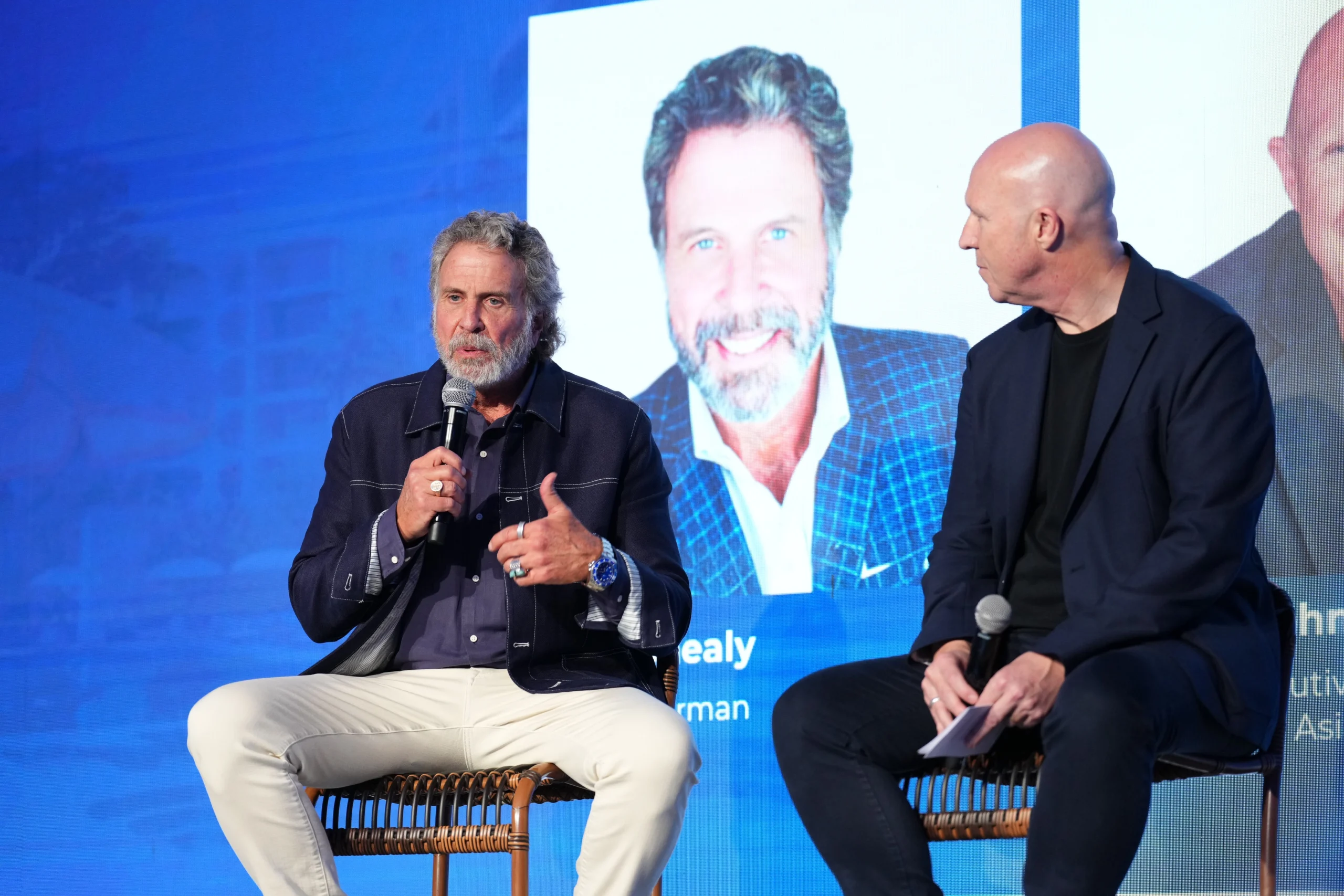
Shealy also highlighted the benefits for developers selling off-plan properties. “We can give credits to buyers while they’re waiting two or three years for delivery,” he says. “They can travel the world on the developer’s partnership, which helps overcome objections about pre-sales.”
This approach has proven successful globally—from Cabo San Lucas to Niseko—where developers integrate ThirdHome memberships as a key selling point, differentiating themselves in crowded markets.
As Asia’s luxury property markets expand, home-sharing networks like ThirdHome are reshaping how second-home owners and developers approach real estate. By linking mobility, exclusive experiences, and strategic partnerships, ThirdHome positions itself as a vital player in the next generation of luxury property transactions. “The market is changing,” Shealy notes, “and those who embrace mobility and global access will lead the way.”
About Bill Barnett
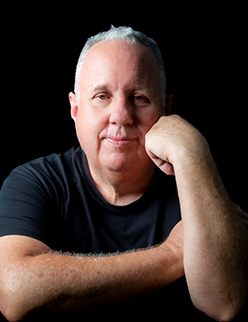 Bill Barnett — a globally recognised hospitality, tourism, and real estate advisor — is the founder and managing director of Asia-based C9 Hotelworks and esteemed member of the PropertyGuru Asia Property Awards (Greater Niseko) Judging Panel.
In addition to being a leading consultant, he is a frequent speaker at industry events and conferences. With over 30 years’ experience in the Asia Pacific region, he has an extensive background in hotel operations, development, and asset management. His past employment highlights include Senior Corporate roles at international hotel chains and publically listed companies. Bill is considered to be one of the foremost industry experts in the hotel residences sector. To date, Bill is the author of four books on travel, property, and hospitality under the titles of Slave to the Bean, Collective Swag, It Might Get Weird and Last Call.
Recommended
Trust gap slows Chinese tourism and property investment in Thailand
Scam-related narratives accelerate a shift in tourism and property investment away from Thailand

Timor-Leste real estate takes off as nation joins ASEAN
Early signs of a property market emerge amid land-title reform and cautious foreign interest

Macau market weakness persists despite economic rebound signs
As Macau’s gaming revenues surge back to life, its residential property market remains stuck on a losing streak
Seoul’s luxury homes roar back on global demand and scarcity
Once cooled by demographics and policy, the South Korean capital's luxury housing market is surging again