On fractional ownership and luxury properties in India
Handsome returns will come from investing in a part of a commercial property
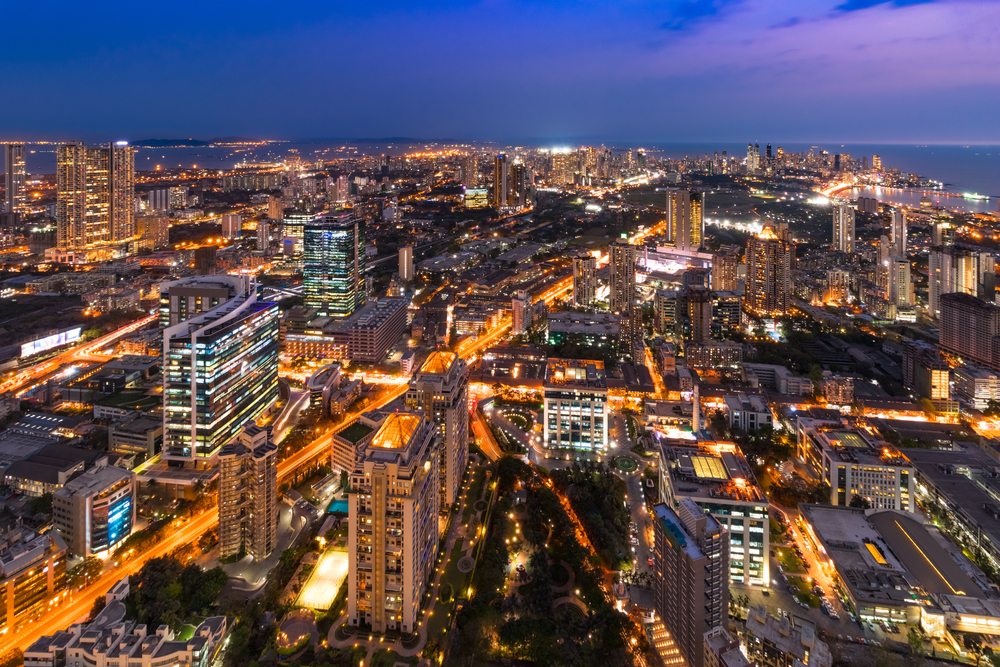
Despite the challenges posed by the COVID-19 pandemic, India’s real estate sector remains positive. Both residential and commercial properties are expected to see sustainable growth in the near future.
This brings people to ponder which type of real estate is a better investment.
Because residential real estate usually comes with a lower price tag, some would find it wiser to invest in purchasing homes for greater ROI.
Recently, there had been an influx of buying second homes in tier II and tier III cities because of the increasing work from home and remote working policies.
According to Mint, in the case of commercial properties, which will concentrate on offices and co-working spaces, handsome returns will come from investing in a part of the property. Fractional ownership, instead of owning the entire building, ensures a regular flow of income with long-term leases and contracts.
“As a thumb rule, If the investment horizon of the investor is large and he/she is looking at a long to very long term investment horizon, commercial real estate is the option to choose. However, factors such as location, availability of physical and social infrastructure and connectivity must be kept in mind while investing in a commercial asset,” said Siddharth Maurya, resource specialist, real estate and fund management.
More: Indian real estate industry on the road to recovery
The Times of India cited a survey conducted by India Sotheby’s International Realty, which revealed that 67 percent of high net worth individuals (HNIs) plan to purchase luxury properties within the next two years.
With a participant pool of more than 200 HNIs and UHNIs, 31 percent of them shared that their motivation to buy real estate was that it was a good investment opportunity. Forty-six percent of them said it was a lifestyle upgrade brought by the pandemic.
Eighty-nine percent of those who plan to buy real estate are looking to purchase homes while 11 percent are opting for commercial real estate.
The Property Report editors wrote this article. For more information, email: [email protected].
Recommended
Is China’s housing market finally turning a corner?
Shanghai’s property revival raises hopes, but falling prices elsewhere point to a long recovery

Opportunity or trap? What Washington’s high-tech hub outside Manila means for Philippine property
The New Clark City Economic Security Zone promises billions in investment, but at what cost to Philippine sovereignty?

What Japan’s policy rate hike means for its property market
After decades of near-free borrowing, the country's policy rate is starting to reshape the calculations behind property investment

A conversation with the head of Vietnam’s Green Building Council on the cost of doing nothing
The VGBC’s Douglas Snyder argues that the real cost developers should fear isn’t building green. It’s failing to do so