Office sharing gaining greater foothold in Asia-Pacific: CBRE
Shanghai hailed region’s top flexible space market while Indian and Southeast Asian cities post quick gains
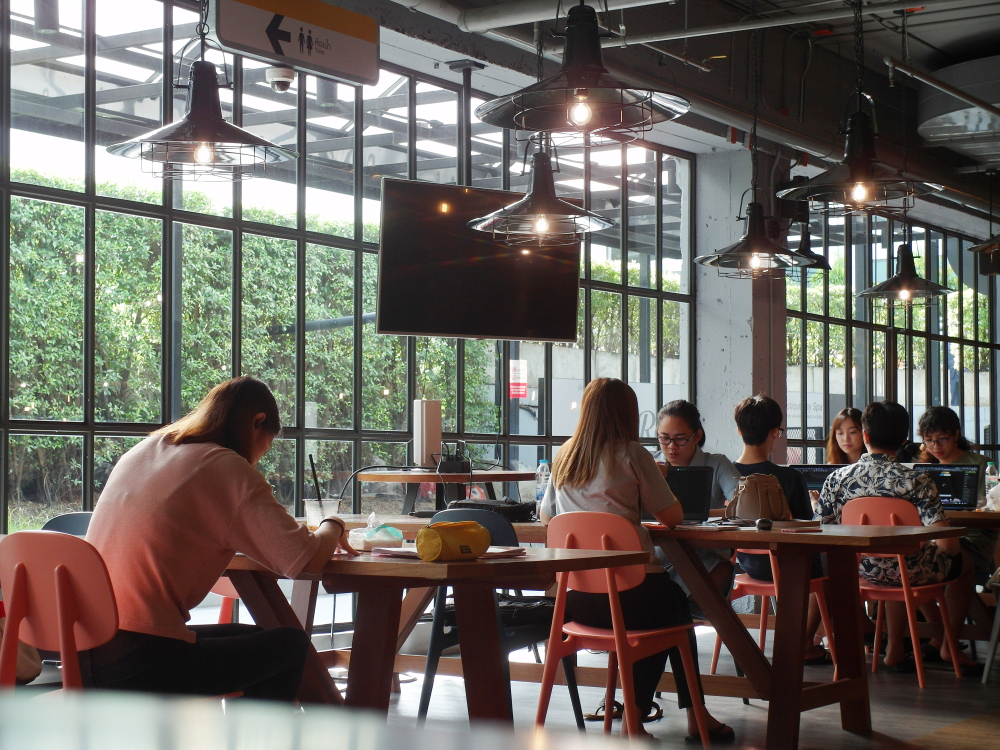
Flexible office space continues to proliferate across Asia-Pacific, according to a new report by CBRE.
The total footprint of flexible office spaces across the region hit 54 million square feet (5 million square metres) or 3.4 percent of total office stock in the first quarter of 2019, the consultancy noted.
“As flexible space operators have already built critical mass for their service offering, CBRE expects 2019 to herald a shift in strategy from expansion to efficiency,” the consultancy said in a joint statement.
“This will include a focus on raising occupancy, customising enterprise solutions and forming creative partnerships with landlords.”
More: Smart city spending in Asia-Pacific to hit $35bn this year
Shanghai possesses the largest volume of flexible space in the region, with 9.1 million square feet reported across the Chinese metropolis or six percent of total office stock. In comparison, Beijing and Shenzhen have a flexi-space stock of 6.5 million square feet and 6.1 million feet, respectively.
Indian and Southeast Asian markets recorded the fastest growth in flexi-space volume over the last year. Bangkok, Mumbai, Ho Chi Minh City, and Delhi expanded their flexi-space footprints by more than 80 percent year-on-year in 2018.
Meanwhile, Seoul is home to 3.9 million square feet of shared office spaces or 3.9 percent of office stock. Singapore topped 2.8 million square feet in flexi-spaces, marking 4.6 percent of stock and edging out Hong Kong with 2.4 million square feet in flexi-spaces.
Recommended

A conversation with the head of Vietnam’s Green Building Council on the cost of doing nothing
The VGBC’s Douglas Snyder argues that the real cost developers should fear isn’t building green. It’s failing to do so

These 6 projects are among Asia’s greenest in 2026
Proof that better buildings are defined as much by how they operate as how they look
Indonesia’s property market feels the pinch of a reeling rupiah
As Jakarta tightens its grip on strategic minerals, investors are fleeing, leaving the property sector in limbo
Japan’s cities boom as rural towns hollow out
Millions of homes sit abandoned as the forces reshaping Japan's property market pull in opposite directions