Office demand in Philippine ecozones to remain strong in 2020
Despite Manila moratorium
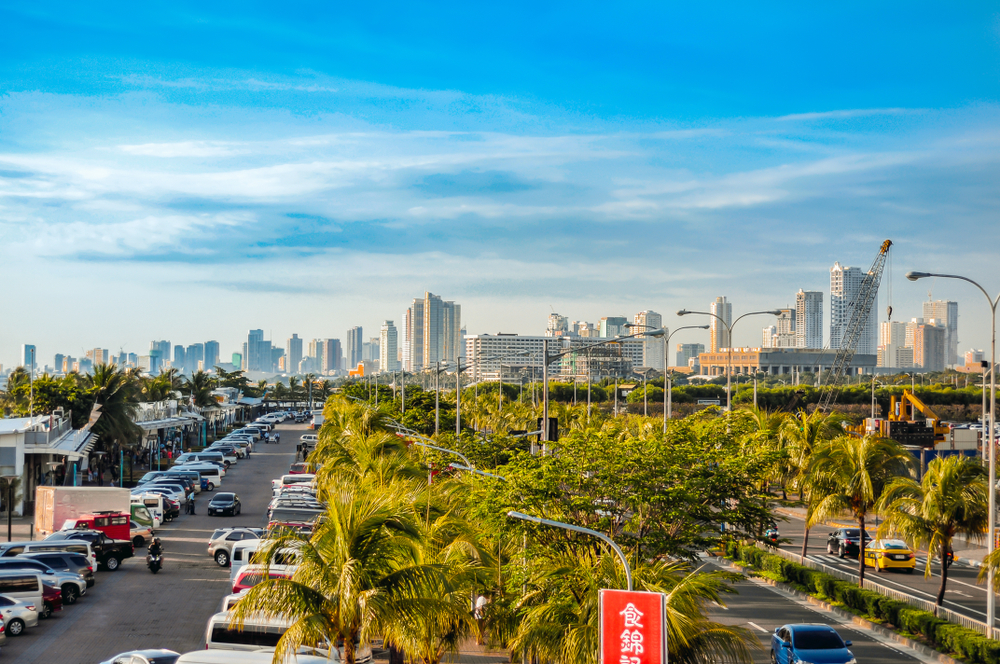
Take-up for office spaces in Philippine ecozones will hold steady at sanguine numbers through 2020, GMA News reported, citing a leading analyst with Santos Knight Frank.
Demand for spaces in buildings accredited by the Philippine Economic Zone Authority (PEZA) is expected grow at the average annual pace next year, according to the consultancy’s senior director Morgan McGilvray.
“PEZA demand is still strong this year. It’s just been overshadowed by POGOs (Philippine Offshore Gaming Operators). It’s probably over 400,000 square meters, which is quite good. That can last through 2020 as well,” he told reporters in a press conference in Makati City.
The forecast comes on the heels of Administrative Order 18 slapping a moratorium on the approval of applications for ecozones in Metro Manila. The measure, signed by President Rodrigo Duterte in June, effectively bans the creation of new ecozones in the capital in an express bid to encourage ecozone development in the provinces.
Twenty-three zones had applied for PEZA approval before the moratorium, GMA News noted, with McGilvray predicting the sites to cater to demand in the short term.
More: Chinese détente means more funds in the Philippines
Ecozones usually house the offices of business process outsourcing companies, a dependable source of jobs for thousands of Filipinos.
“BPO (business process outsourcing) activity has continued to be very strong. I think that’s still going to be true, even after AO 18, ‘cause there is going to be a fair amount of PEZA zones available,” McGilvray said.
The moratorium is not in place in Cebu City and other BPO hubs in the countryside, Santos Knight Frank stressed.
“Provinces are now developing these high-quality BPO buildings that Grade A tenants want to be in. This opens up a lot more opportunities for firms in Metro Manila to go out and have success,” McGilvray said.
Recommended

A conversation with the VGBC’s executive director on the risk of not building green
The Vietnam Green Building Council's Douglas Snyder argues that the real cost developers should fear isn't building green

These 6 projects are among Asia’s greenest in 2026
Proof that better buildings are defined as much by how they operate as how they look
Indonesia’s property market feels the pinch of a reeling rupiah
As Jakarta tightens its grip on strategic minerals, investors are fleeing, leaving the property sector in limbo
Japan’s cities boom as rural towns hollow out
Millions of homes sit abandoned as the forces reshaping Japan's property market pull in opposite directions