New Bangkok condos hit lowest selling price in two years
Developers rushed to clear inventories before the LTV regulations took effect
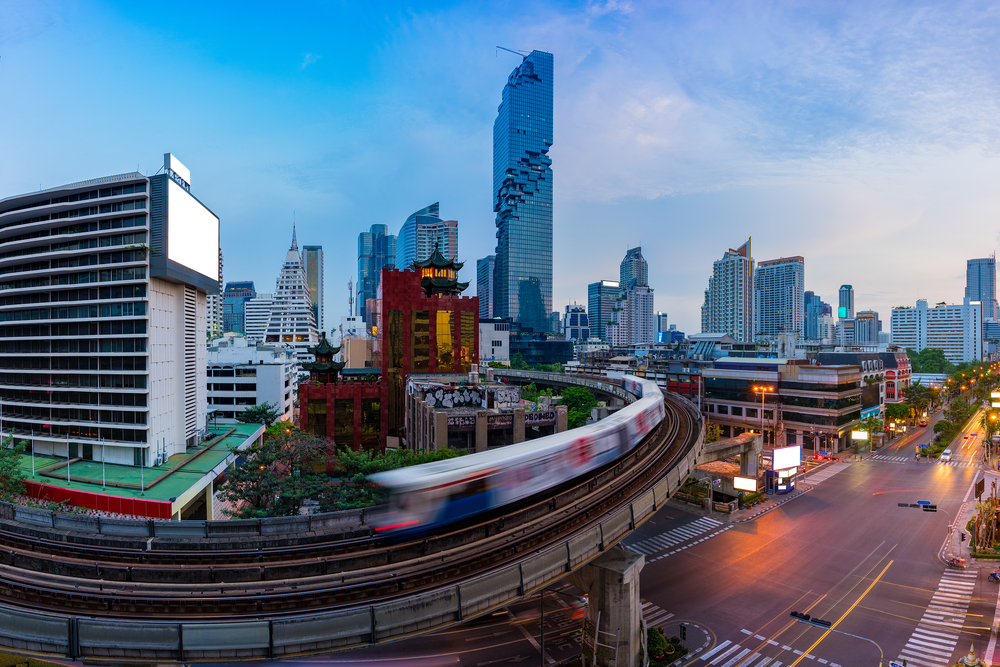
Bangkok’s newly launched condominiums have hit their lowest average selling price in two years, Colliers Thailand reported.
The average selling price of newly launched condominiums in the first quarter of 2019 stood at just THB102,476 (USD3,300) per square metre, a drop from the previous quarter, the consultancy noted.
This may be attributed to the rise in the number of newly launched units fetching prices below THB50,000 per square metre as well as a decrease in the number of new units at prices above THB200,000 per square metre, Colliers explained.
Although major developers will continue the development of new projects, especially those along rapid transit lines, the condominium market is likely to slow down in 2019, consultants predicted.
More: How Thai developers can cope with rising land costs
“The new LTV regulation from the Bank of Thailand, the new land and building taxes, the rising land prices, and the political situation have affected the residential market in Bangkok,” researchers Phattarachai Taweewong and Thatchanan Siddhijai wrote.
“Developers slowed down new launches and focused on clearing inventories before the LTV regulation was put into effect,” they added.
With developers wanting to clear their inventories due to the new LTV regulations, buyers were compelled to buy completed units on sale. Newly launched condominiums in Q1 2019 had an average selling rate of 52 percent out of 8,953 units, holding steady from last quarter’s selling rate.
Recommended

A conversation with the VGBC’s executive director on the risk of not building green
The Vietnam Green Building Council's Douglas Snyder argues that the real cost developers should fear isn't building green

These 6 projects are among Asia’s greenest in 2026
Proof that better buildings are defined as much by how they operate as how they look
Indonesia’s property market feels the pinch of a reeling rupiah
As Jakarta tightens its grip on strategic minerals, investors are fleeing, leaving the property sector in limbo
Japan’s cities boom as rural towns hollow out
Millions of homes sit abandoned as the forces reshaping Japan's property market pull in opposite directions