Myanmar market conditions to remain soft until 2020
Long-term lending provides relief to home seekers
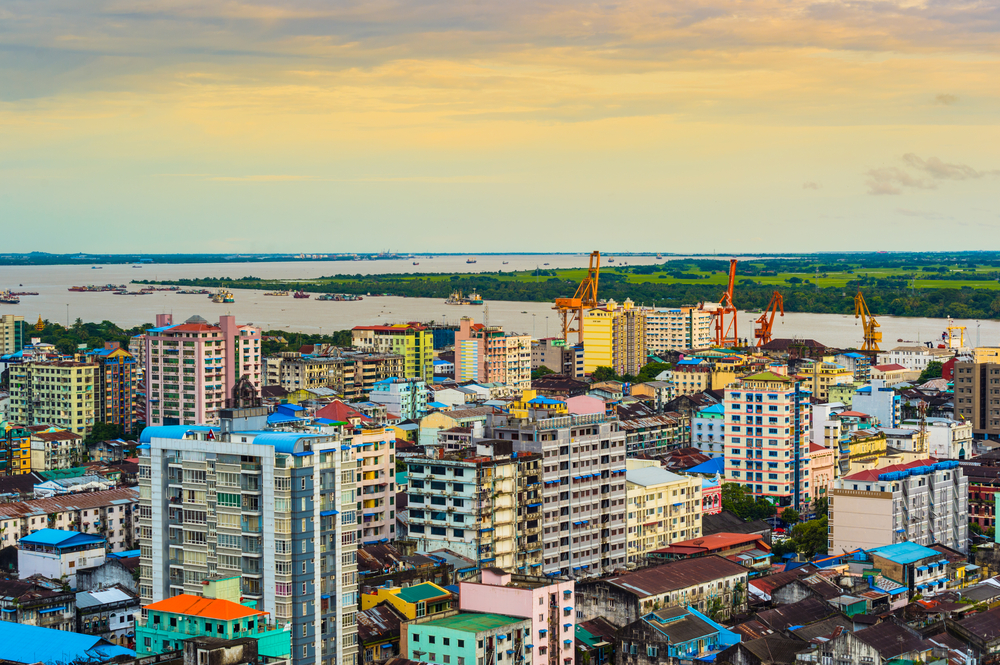
The residential property market in Myanmar is likely to remain flat until 2020, although the introduction of long-term home loans have provided a salve to buyers, experts tell the Myanmar Times.
Due to weak demand, property transactions in the country have been halved from their peak five years ago, the Times noted.
“This is the current situation. However, what is good is that there will be no worsening in the conditions or a downturn. We cannot say precisely whether the market will climb in 2020 as a lot depends on the policies of the government,” U Myo Myint, general secretary of the Myanmar Construction Entrepreneur Association, was quoted as saying by the Times last week.
The depreciation of the kyat relative to the US dollar has raised the cost of construction nationwide. Affordability levels have been impacted as property prices reflect the continued strength of the greenback, U Myo Myint added.
More: Myanmar doubles down on Belt and Road project
The introduction of long-term home loans by private and government banks over the past year has provided some relief to the Myanmar middle class, however. The loans especially fuelled demand for apartments priced between MMK20 million and MMK120 million (USD13,120-78,740), according to property portal founder U Kaung Thu Win, adding that “there were almost no apartments left to sell” in this pricing category.
However, buyers face difficulty with the high interest rates on loans, observed U Myo Myint. “It is acceptable that taxes are collected on the initial payment for a home but taxing again on purchases with a bank loan is like hindering people from buying homes. Such tax rates should also be relaxed.”
Recommended
Is China’s housing market finally turning a corner?
Shanghai’s property revival raises hopes, but falling prices elsewhere point to a long recovery
Opportunity or trap? What Washington’s high-tech hub outside Manila means for Philippine property
The New Clark City Economic Security Zone promises billions in investment, but at what cost to Philippine sovereignty?

What Japan’s policy rate hike means for its property market
After decades of near-free borrowing, the country's policy rate is starting to reshape the calculations behind property investment

A conversation with the head of Vietnam’s Green Building Council on the cost of doing nothing
The VGBC’s Douglas Snyder argues that the real cost developers should fear isn’t building green. It’s failing to do so