Most Filipinos believe homes vulnerable to disaster: survey
A new Harvard survey finds a populace inured to catastrophe
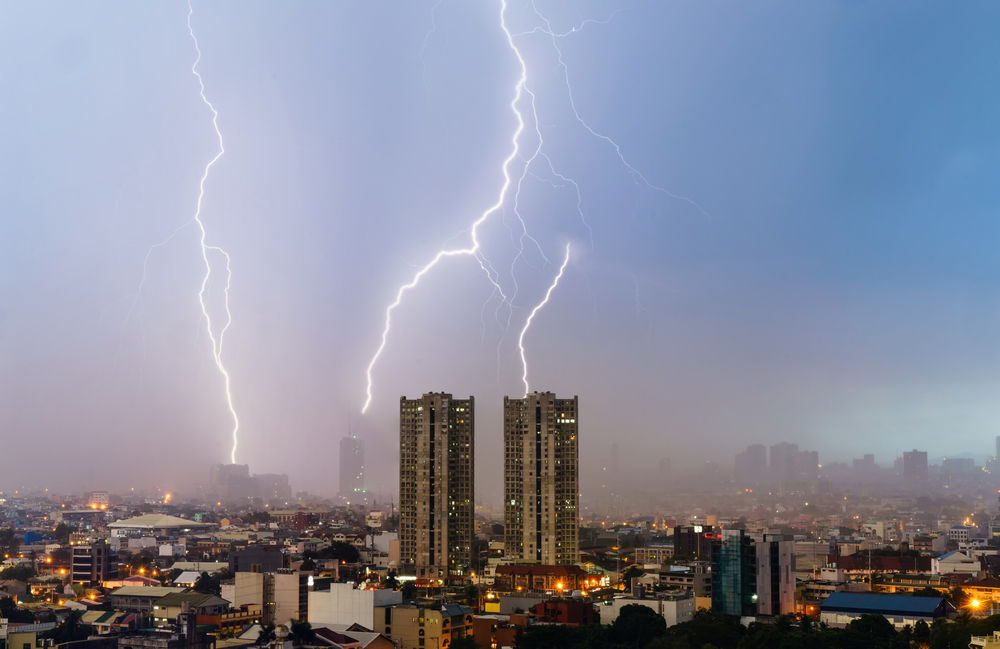
Most Filipinos think their homes in the Philippines are susceptible to catastrophe, according to the Inquirer, citing a survey recently released by the Harvard Humanitarian Initiative (HHI).
Around 69 percent of respondents expressed a belief that their habitats “were at most risk during a disaster”, more than any other asset, according to the survey conducted in 2017 for the initiative’s Program on Resilient Communities (PRC).
The sample consisted of 4,368 respondents, representing all economic segments of society.
More: Chinese détente means more funds in the Philippines
Harvard researchers attributed Filipinos’ concern over residential properties to “their experience with disasters, as most of the population have experienced significant damage to property, assets and have been displaced from their homes due to a disaster.”
Around 42 percent of respondents reported that their houses had been partially destroyed before, while 16 percent claimed having been displaced for at least a week, the Inquirer noted.
“Undeniably, the Philippines has numerous vulnerable populations. A quarter of the population are living below the national poverty level, and there are huge numbers of informal settlements in coastal/flood prone areas, especially in Metro Manila,” the HHI PRC said.
Only three percent of homes in the Philippines had some form of home insurance, leaving the rest at the mercy of losses and damage, the study further found.
Recommended
Opportunity or trap? What Washington’s high-tech hub outside Manila means for Philippine property
The New Clark City Economic Security Zone promises billions in investment, but at what cost to Philippine sovereignty?
What Japan’s policy rate hike means for its property market
After decades of near-free borrowing, the country's policy rate is starting to reshape the calculations behind property investment
A conversation with the head of Vietnam’s Green Building Council on the cost of doing nothing
The VGBC’s Douglas Snyder argues that the real cost developers should fear isn’t building green. It’s failing to do so

These 6 projects are among Asia’s greenest in 2026
Proof that better buildings are defined as much by how they operate as how they look