Melbourne property market regains momentum in September
The quickest turnaround to date, boasting a 4.1 percent increase in house prices
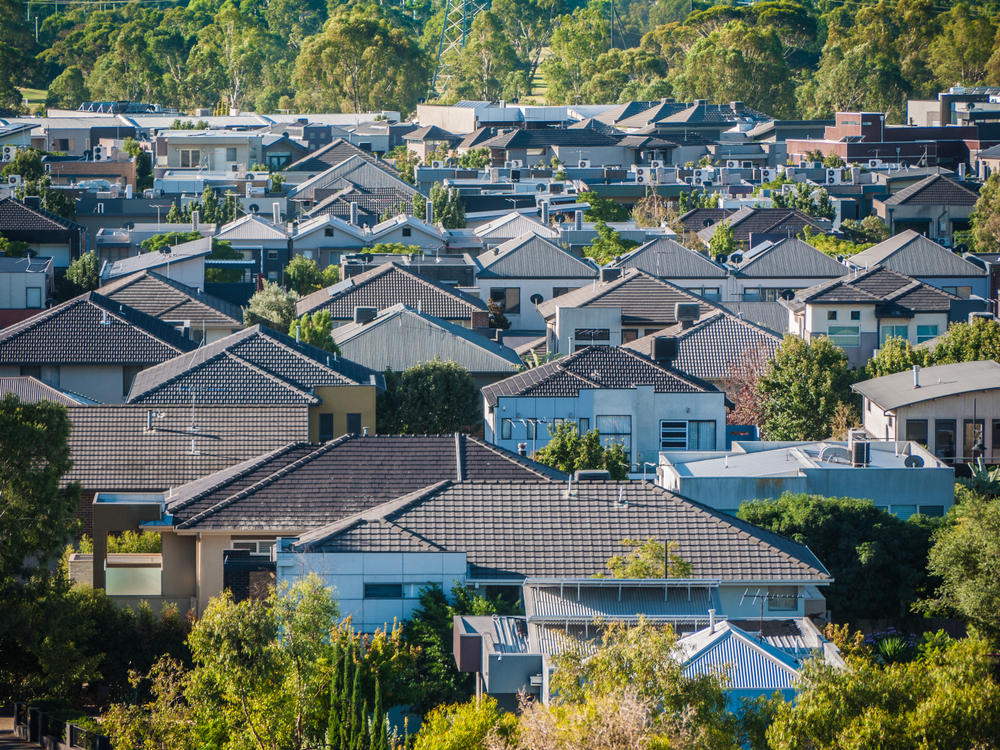
In a span of only three months, home prices in Melbourne rose by 4.1 percent to an average of AUD855,428 (USD582,836), recovering most of what it lost during the recent market slump, according to the September quarter of Domain’s House Price Report.
The Victorian capital’s recovery began in June, surprising experts who assumed the turnaround would come at the end of the year.
From the beginning of 2018 up until the first half of 2019, the average home rate in Melbourne slipped by 10.7 percent, knocking off AUD94,391 from the prices and hitting rock bottom at AUD809,468 just this March.
Domain senior research analyst Nicola Powell said the median bounced back by 5.5 percent since then. “Melbourne house prices have rebounded for a second consecutive quarter and at a faster pace than in Sydney,” she added.
More: Now is a good time to buy a property, says one in two Australians
Dr. Powell further explained that the rise in home prices happened shortly after the May election results, when the banks introduced more lenient lending rules and interest rates were cut.
“The downturn, it appears, was influenced by policy, with tighter lending standards and the higher cost of mortgages having an impact,” she said.
Average rates for units also soared by 3.7 percent, setting a record high median of AUD520,940. With the price hike of around AUD20,000, Melbourne’s property market experienced the biggest jump among all the capital cities in the country.
Gerald Betts, director at RT Edgar Albert Park, said the sales were busier, but the inner-south market only had few properties available along the beachside suburbs.
“Anything priced up to AUD2 million is going very strong. The lower-end apartment market is also very strong,” said Betts.
He explained that investors were willing to make a purchase now before home prices reached their peak.
Recommended

These 6 projects are among Asia’s greenest in 2026
Proof that better buildings are defined as much by how they operate as how they look
Indonesia’s property market feels the pinch of a reeling rupiah
As Jakarta tightens its grip on strategic minerals, investors are fleeing, leaving the property sector in limbo

Japan’s cities boom as rural towns hollow out
Millions of homes sit abandoned as the forces reshaping Japan's property market pull in opposite directions

What Johor’s data centre boom means for those living beside it
Malaysia's data gold rush is reshaping the state, testing the balance between investment and liveability