Office workers turn to co-living to endure Manila traffic
To make matters worse, Waze Inc. published a study ranking Manila as the most congested city in the world
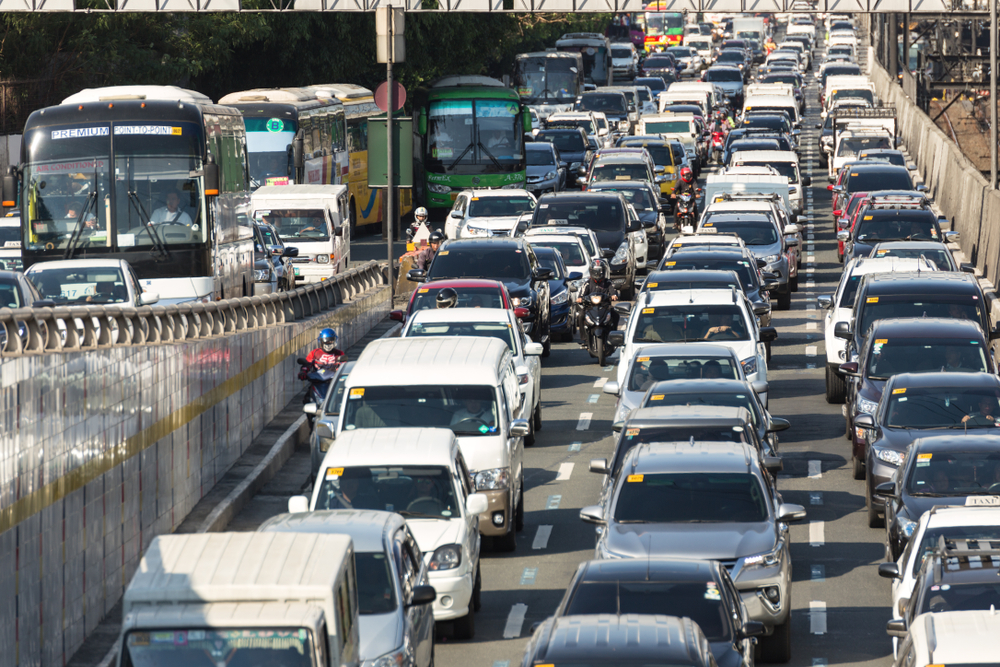
Almost half of the working professionals in Manila preferred to live in dorms just to avoid traffic, reported Bloomberg, citing a study by property services firm Colliers International Group Inc.
Joey Bondoc, research manager at Colliers, revealed that 45 percent were “willing to stay in a co-living facility” to survive the worsening mobility in the Philippine capital, despite the financial consequences.
The monthly commute, which takes more than three hours each way, costs about PHP4,500 (USD89). The respondents said that they are open to the possibility of spending as much as PHP6,000 to live in dorms closer to their offices.
More: Manila, Beijing rank top in Asia for luxury price rises
Manila topped the list for the world’s most congested cities in 2019 by Waze Inc., with drivers waiting five minutes to reach a kilometre. To address the issue, major developers like Ayala Land Inc. and SM Prime Holdings Inc. are building dormitories for office workers.
Colliers have been monitoring shared spaces in three districts in the capital. For the next couple of years, they predict the co-living accommodations to increase by 51 percent to 11,010.
Bondoc said that some workers were also thinking of sharing a one-bedroom apartment or studio in primary business districts with friends.
He also advised developers to “start offering differentiating features,” like private lounges and fitness centres to rise above the growing competition.
Recommended

A conversation with the VGBC’s executive director on the risk of not building green
The Vietnam Green Building Council's Douglas Snyder argues that the real cost developers should fear isn't building green

These 6 projects are among Asia’s greenest in 2026
Proof that better buildings are defined as much by how they operate as how they look
Indonesia’s property market feels the pinch of a reeling rupiah
As Jakarta tightens its grip on strategic minerals, investors are fleeing, leaving the property sector in limbo
Japan’s cities boom as rural towns hollow out
Millions of homes sit abandoned as the forces reshaping Japan's property market pull in opposite directions