Malaysia’s residential glut on slow ascent in 2019: NAPIC
Volume of overhang properties still ballooning, albeit at lower value than last year
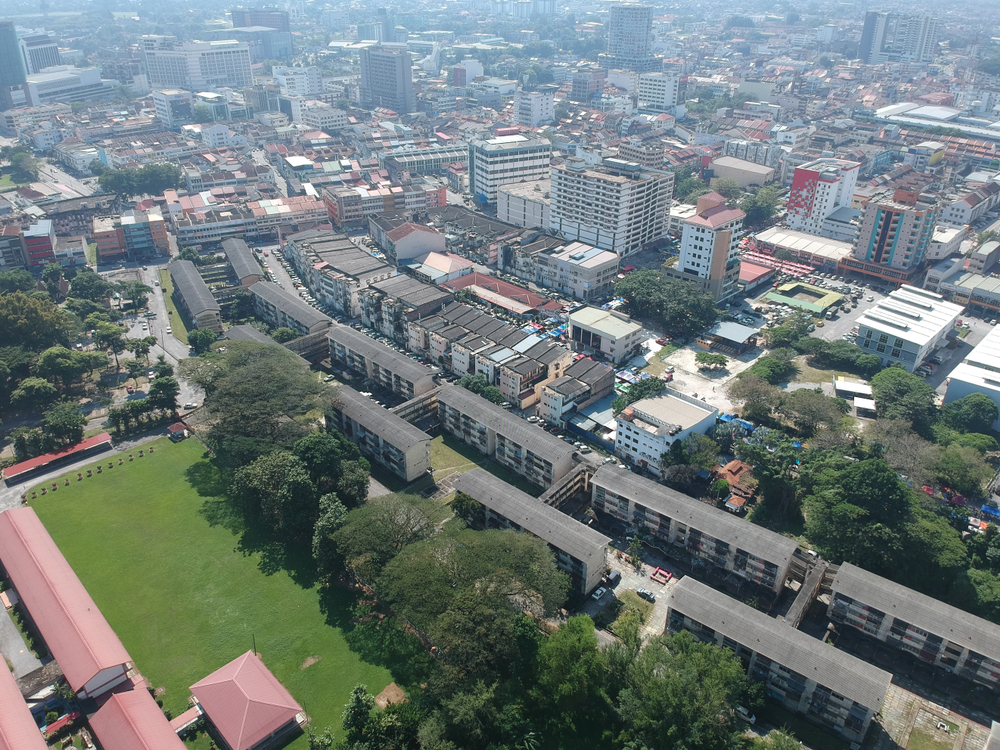
Malaysia was host to 32,810 completed but unsold residential units in the first six months of 2019, according to a report issued this week by the National Property Information Centre.
The residential property overhang represented an increase in volume of 1.5 percent from the second half of 2018, which had seen a surge of 10.6 percent from the previous half. The figure is also slower than the 18.1 percent increase of overhang units in the six months to H1 2018.
Together the overhang homes in H1 2019 account for a value of MYR19.76 billion (USD4.7 billion), down 0.5 percent from the MYR19.86 billion worth of overhang units in H2 2018.
NAPIC analysts believe a turnaround is imminent with Putrajaya having enforced affordable housing schemes over the last few months.
More: Johor has most unsold homes in Malaysia
“The launching of the National Housing Policy 2.0 (2018-2025) and the incentives introduced in HOC (Home Ownership Campaign) 2019, which has been extended to 31 December 2019 are expected to help improve home ownership among Malaysians and residential overhang situation in the coming half-year,” NAPIC said in a statement.
Condominiums and apartments comprised 43 percent of overhang units in H1 2019, with 14,021 completed but unsold units registered under this housing type.
Around 15 percent of the overhang units were in the pricing range of MYR200,000 to MYR300,000.
Among states, Johor had the most number of completed but unsold homes at 6,195 units or 18.8 percent of all overhang units, followed by Perak with 5,796 units or 17.6 percent.
Recommended

Gulf property markets trade panic for prudence
War upends West Asia, but property markets from Dubai to Riyadh refuse to break and attempt to regain their footing
Is China’s housing market finally turning a corner?
Shanghai’s property revival raises hopes, but falling prices elsewhere point to a long recovery
Opportunity or trap? What Washington’s high-tech hub outside Manila means for Philippine property
The New Clark City Economic Security Zone promises billions in investment, but at what cost to Philippine sovereignty?

What Japan’s policy rate hike means for its property market
After decades of near-free borrowing, the country's policy rate is starting to reshape the calculations behind property investment