Malaysian investors complete acquisition of Battersea Power Station’s commercial assets
A sound footing for ambitious restoration project
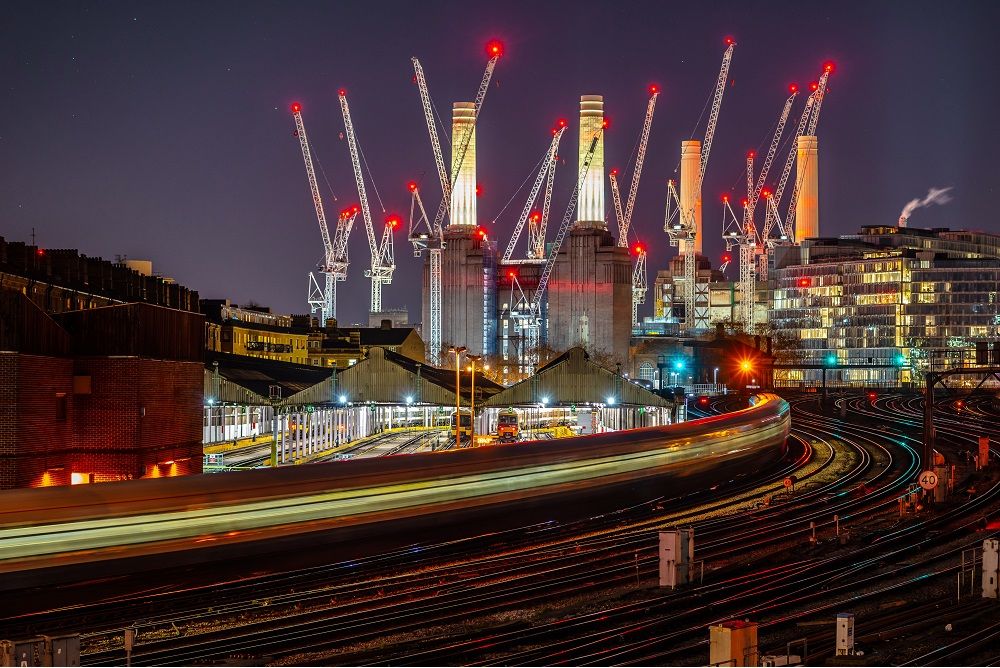
Malaysian asset manager Permodalan Nasional Berhad (PNB) and The Employees Provident Fund of Malaysia (EPF) have acquired the commercial assets in the Battersea Power Station regeneration project through a joint venture, the companies announced in a statement yesterday.
The reorganisation of the ownership of commercial assets within the Grade II-listed Power Station has completed with PNB gaining 65 percent of the commercial assets and the retirement savings fund owning 35 percent.
PNB and EPF already own 70 percent of the entire Battersea Power Station development through their holdings in the original developers. In December, Malaysian development firms SP Setia Bhd and Sime Darby Property Bhd sold their stakes in the second phase of the project to PNB and EPF for GBP1.583 billion (USD1.98 billion).
More: Is the London property market ready to banish the Brexit blues?
The transaction does not affect the shareholdings in Battersea Project Holding Company Limited, which remain unchanged between S P Setia (40 percent), Sime Darby Property (40 percent) and EPF (20 percent).
UK-based Battersea Power Station Development Company (BPSDC) and its subsidiaries will continue as the development, estate and asset manager for all phases of the overall development.
“We are delighted that this reorganisation has concluded, giving this iconic landmark a sound footing for the future and ensuring it is expertly curated and managed in the longer term,” said Dato’ Ahmad Pardas Senin,chairman of Battersea Project Holding Company Ltd, in a statement.
Built in 1941, Battersea Power Station is being restored to house hundreds of shops, F&B establishments, event spaces, and offices, including Apple’s future London campus and business members’ club No18.
Recommended
Opportunity or trap? What Washington’s high-tech hub outside Manila means for Philippine property
The New Clark City Economic Security Zone promises billions in investment, but at what cost to Philippine sovereignty?

What Japan’s policy rate hike means for its property market
After decades of near-free borrowing, the country's policy rate is starting to reshape the calculations behind property investment

A conversation with the head of Vietnam’s Green Building Council on the cost of doing nothing
The VGBC’s Douglas Snyder argues that the real cost developers should fear isn’t building green. It’s failing to do so

These 6 projects are among Asia’s greenest in 2026
Proof that better buildings are defined as much by how they operate as how they look