Macau prepares for tourists during Christmas and Chinese New Year
The city expects more visitors during peak holiday seasons
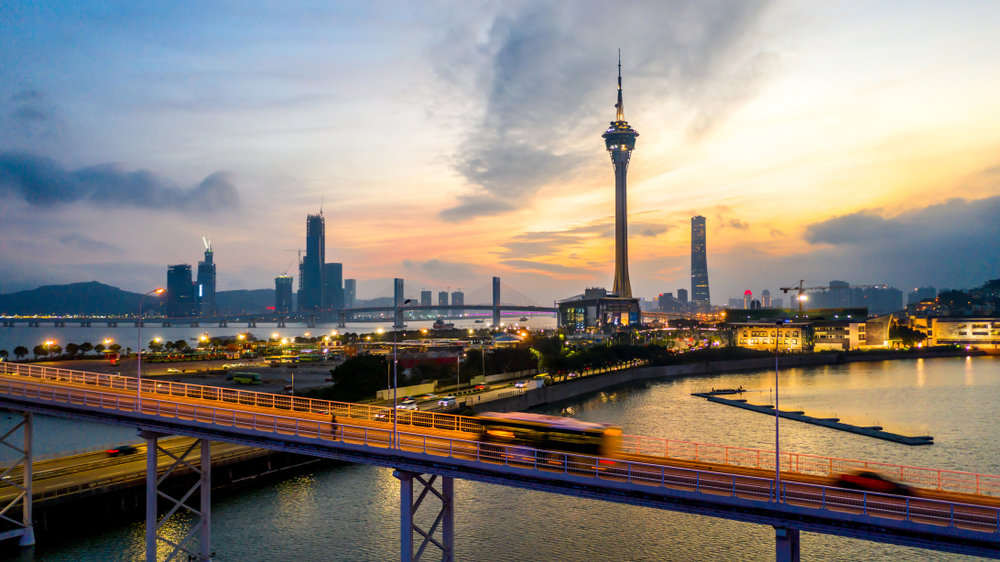
On 3 December, during the opening ceremony of The 11th International Infrastructure Investment and Construction Forum (IIICF) at The Venetian in Cotai, the secretary for Economy and Finance Lei Wai Nong informed reporters that Macau expects more tourists — especially for mainland China — throughout Christmas and Chinese New Year (CNY), the city’s peak holiday seasons, reported Macao News.
Lei commented that the government has been planning initiatives to boost economic recovery by promoting Macau and luring visitors to extend their stay in the city.
He also pointed out that ever since the implementation of the Individual Visit Scheme travel permits for all mainlanders, the number of tourists has increased progressively.
More: Public in distress over price of new housing scheme proposed by Macau government
The government has also set afloat a grant subsidy programme, giving out 60,000 hotel stays to mainland tourists. Consequently, the average stay has bumped up to around 2.8 nights, which has supported economic healing with over MOP200 million (USD25.1 million).
The recouping of Macau’s tourism sector is incredibly important to the economy’s recovery as a whole.
Thus, Lei address how influential longer stays in Macau can be, particularly for the upcoming festivities of Christmas, Western New year, and Chinese New Year.
Recommended

These 6 projects are among Asia’s greenest in 2026
Proof that better buildings are defined as much by how they operate as how they look
Indonesia’s property market feels the pinch of a reeling rupiah
As Jakarta tightens its grip on strategic minerals, investors are fleeing, leaving the property sector in limbo
Japan’s cities boom as rural towns hollow out
Millions of homes sit abandoned as the forces reshaping Japan's property market pull in opposite directions
What Johor’s data centre boom means for those living beside it
Malaysia's data gold rush is reshaping the state, testing the balance between investment and liveability