Koh Samui ushers in their first exclusive island luxury resort
Named Cape Fahn Hotel, this boutique resort will also be home to a private islet villa, perfect for a truly secluded holiday
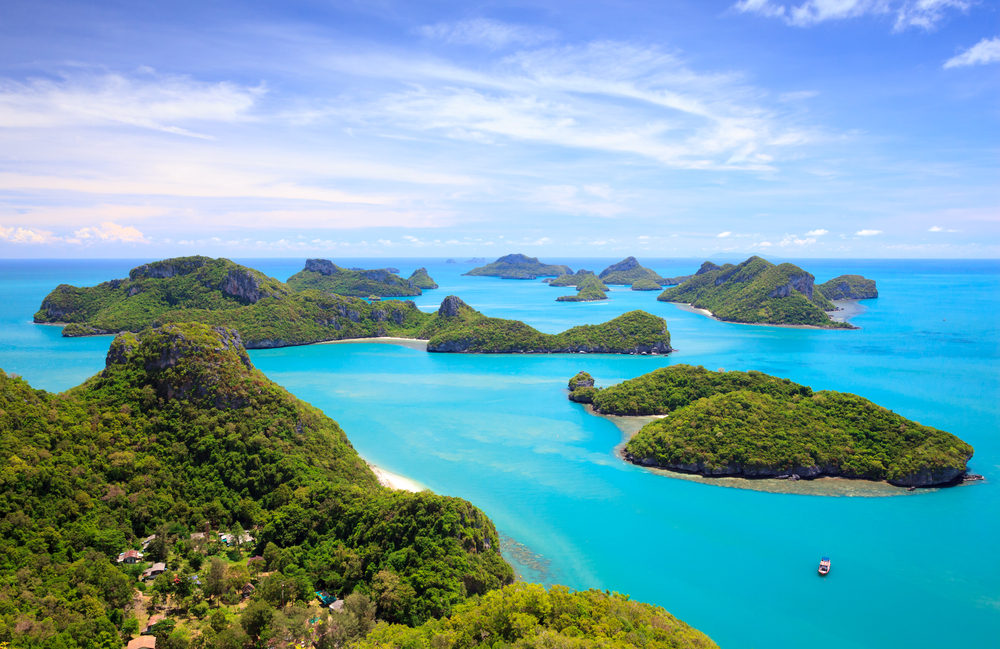
Cape Fahn Hotel, the first exclusive island luxury boutique resort in Koh Samui, is part of the Cape and Kantary Hotel chains in Thailand, as well as the Small Luxury Hotels of the World group, reported CNN Travel.
The private island resort comes with only 22 villas, each with a private eight-metre-long swimming pool, offering the real essence of seclusion for families or couples who want an escape from the chaotic city.
Choeng Mon Beach is located just 300 metres from the northeast corner of the island, where guests can walk to and fro during low tides, or take a small boat or an open-air truck during high tides.
“It is something completely unique, it’s something completely new. We are very close to the mainland, yet we are so far. You can go back for shopping or sightseeing but return to this luxurious resort and enjoy all the benefits,” said the resident manager of Cape Fahn Olivier Schneider.
Amenities include the Cape Spa, a communal salt-water pool, a fitness studio, and sports equipment, such as paddleboards and kayaks. The resort also schedules private yacht tours to Ang Thong National Marine Park, as well as regular outdoor cinema screenings on the beach.
For guests who are looking for a real exclusive experience away from the other villas, they can book a captivating 600 square metre two-bedroom villa, with a massive dining area and a private 11-metre pool in Fahn Noi Island, a small islet divided by a shallow stream of water where guests can walk over.
“When we built Cape Fahn, we tried to take as much care as possible to protect the environment, the surroundings, and the local culture,” says Schneider.
“We tried to build something that blends naturally. Sustainability and care for the environment are among our top priorities within the entire Cape and Kantary Hotels group.”
Recommended

What Japan’s policy rate hike means for its property market
After decades of near-free borrowing, the country's policy rate is starting to reshape the calculations behind property investment

A conversation with the head of Vietnam’s Green Building Council on the cost of doing nothing
The VGBC’s Douglas Snyder argues that the real cost developers should fear isn’t building green. It’s failing to do so

These 6 projects are among Asia’s greenest in 2026
Proof that better buildings are defined as much by how they operate as how they look
Indonesia’s property market feels the pinch of a reeling rupiah
As Jakarta tightens its grip on strategic minerals, investors are fleeing, leaving the property sector in limbo