Japan encourages migration out of Tokyo via home ownership
Many people prefer leaving the capital to inhabit a less expensive and crowded environment
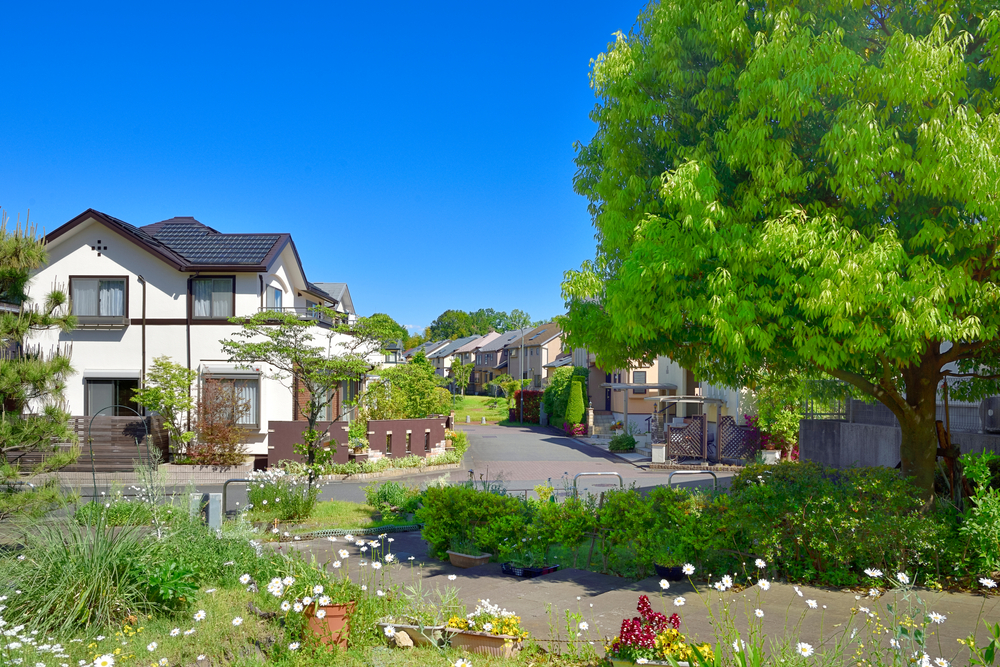
According to Japan Times, new organisations have indicated that people are migrating out of Tokyo into the suburbs, especially as ‘new normal’ work schedules avert the need to go to work, suggesting the fact that people who live in Tokyo only do so for their jobs, but will take the opportunity to leave and reside in less expensive areas.
The government is certain to uplift this trend, as it has occasionally attempted to relieve Tokyo from overflow. The land ministry authorised a scheme that grants JPY400,000 (USD3,855) worth of points to families that seek to become energy-saving homeowners. If a family has three or more children and plans to move out of Tokyo, points increase up to 1 million points.
However, at least one of the parents should have worked in Tokyo’s 23 wards, and the contract must be signed between 15 December 2020 to 31 October 2021. If such a family decides to purchase a previously owned home without energy-saving features, they are still eligible to receive 300,000 points.
As the government’s main concern is to promote homeownership, it has also drawn out the tax cut for housing loans, which was initially implemented as a measure to counter the feared fallout from past consumption tax hikes.
More: Japanese residency in flood zones
Despite the mass departure out of Tokyo, the government is still keen to use tax money to promote housing sales.
Since the 1980s, housing policy has focused on promoting home ownership at the expense of rental housing, especially public housing. However, there are currently about 8.5 million vacant homes in Japan, half of which are rental properties, and could use that tax money to transform such units into affordable rental housing.
After the COVID-19 pandemic, more residents have been forced into homelessness and rent misconduct due to unemployment. If emergency benefits aren’t extended once more and the current economic state continues, renters may end up on the streets.
According to poverty specialist Karin Amamiya, governments have not conducted proper surveys to approximate the extent of the problem, which limits the implementation of effective anti-poverty policies.
Potential homeowners can rely on the government for aid, but those with insecure housing situation need to be given more spotlight.
Recommended
Is China’s housing market finally turning a corner?
Shanghai’s property revival raises hopes, but falling prices elsewhere point to a long recovery
Opportunity or trap? What Washington’s high-tech hub outside Manila means for Philippine property
The New Clark City Economic Security Zone promises billions in investment, but at what cost to Philippine sovereignty?

What Japan’s policy rate hike means for its property market
After decades of near-free borrowing, the country's policy rate is starting to reshape the calculations behind property investment

A conversation with the head of Vietnam’s Green Building Council on the cost of doing nothing
The VGBC’s Douglas Snyder argues that the real cost developers should fear isn’t building green. It’s failing to do so