Investment potential for Asia Pacific real estate remains strong
There are four key drivers that investors should not overlook when looking for longer-term prospects in the Asia Pacific
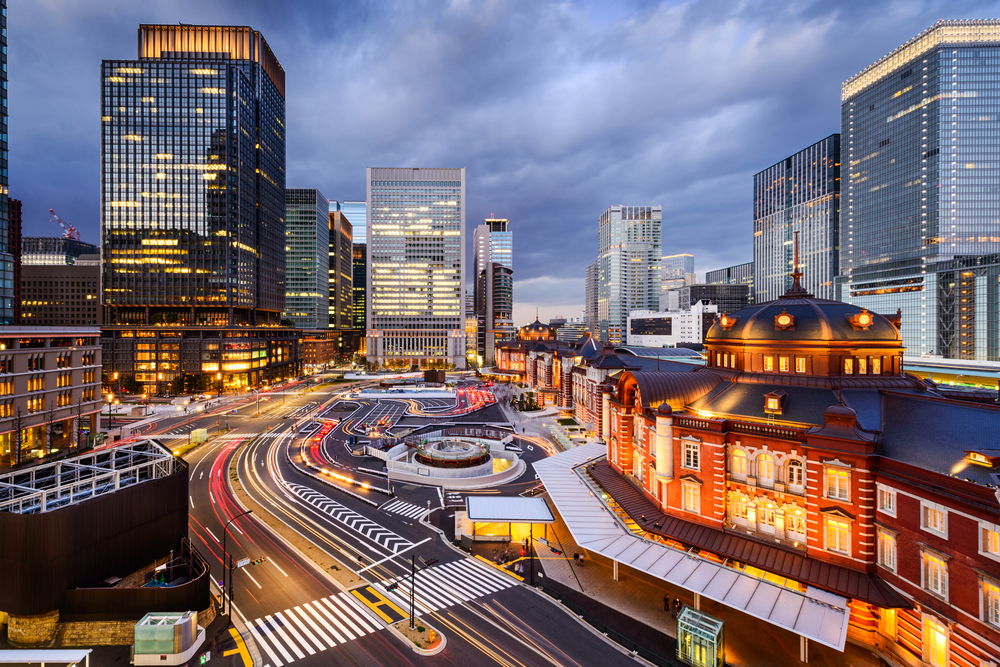
According to JLL’s Investor sentiment barometer 2022, up to 89 percent of investors forecasted that transaction volumes would face a significant increase this year.
Top investment leaders from 37 global and regional investors with total assets under management (AUM) of over USD2 trillion were surveyed by JLL on their investment objectives, strategy, and general view in 2022.
Many investors plan to diversify across sectors and deploy capital. They are considering properties in the logistics, multifamily, office, and alternative sectors. The top markets, according to investors, are Japan, South Korea, and Australia.
Six out of ten respondents anticipate investing more in the office sector in 2022.
Schroders Capital shared four key drivers that investors should not overlook when looking for longer-term prospects in the Asia Pacific. These are urbanisation, middle-class expansion, advances in the tech sector, and ageing populations.
“The Asia Pacific region has some of the world’s most dynamic and fastest-growing real estate markets,” said Andrew Moore, head of real estate in the region for Schroders Capital. “Growth in real GDP, urban populations, and the size of the middle class should outstrip other regions over most of this decade,” he added.
More: Asia Pacific real estate investments went up by 26% in 2021
He also noted that the continuous accumulation of wealth among individuals across the region will strengthen the demand for office space regardless of the work-from-home trend. Moreover, Asia has set itself up to be a leader in tech, especially with the advancements in e-commerce, 5G, and mobile communications networks. This also drives the demand for offices, not just business parks.
Alternative real estate assets are also growing in popularity. Demands for multifamily apartments and data centres, for example, have increased because of the continuous expansion of the middle-class.
This year, the appetite for investing in commercial real estate in the Asia Pacific is undeniably high, and the most popular choices for investors are either alternative or those that reflect structural shifts.
The Property Report editors wrote this article. For more information, email: [email protected].
Recommended

A conversation with the VGBC’s executive director on the risk of not building green
The Vietnam Green Building Council's Douglas Snyder argues that the real cost developers should fear isn't building green

These 6 projects are among Asia’s greenest in 2026
Proof that better buildings are defined as much by how they operate as how they look
Indonesia’s property market feels the pinch of a reeling rupiah
As Jakarta tightens its grip on strategic minerals, investors are fleeing, leaving the property sector in limbo

Japan’s cities boom as rural towns hollow out
Millions of homes sit abandoned as the forces reshaping Japan's property market pull in opposite directions