Intense competition and affluent buyers drive up Asia-Pacific home prices
Low interest rates, loose monetary policy, and uneven distribution of wealth have fueled the current boom
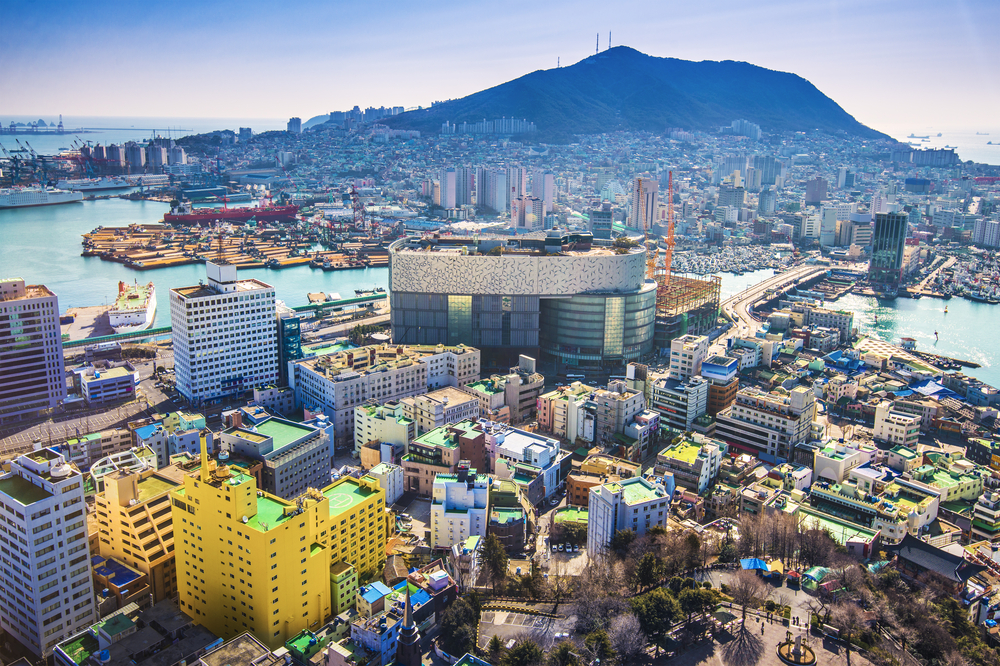
According to CNBC, housing prices have surged across Asia-Pacific amid the pandemic due to record low interest rates.
The real estate market also sees a positive outlook as vaccination rates accelerate, and some countries move into a post-COVID recovery phase.
As property markets in some Asian cities start to overheat, it is widely anticipated that governments will intervene with cooling measures such as fiscal or monetary policies.
Based on data from real estate consultancy Knight Frank, the top five cities with the highest year-on-year price increases as of the end of June are Wellington (29.2 percent), Auckland (25 percent), Beijing (14.8 percent), Singapore – outside central region (13.9 percent), and Osaka (13.5 percent).
Victoria Garrett, head of residential Asia-Pacific at Knight Frank, said the annual growth across Asia-Pacific on average was at 6.4 percent year-on-year, the highest increase in four years.
There’s been intense competition among homebuyers, resulting in bidding wars and exorbitant cash offers way beyond market valuations.
Sean Coghlan, global director of capital markets research and strategy at JLL, said, “There are more prospective buyers than on-market opportunities, creating more intense bidding processes.”
“Greater competition and the deep pools of capital targeting real estate are combining to drive up pricing,” he said.
A Singaporean property agent described Asia’s housing market as being “on steroids.”
All-cash offers are also increasing, generally for properties between SGD4 million (USD2.9 million) to SGD8 million (USD5.9 million).
The boom can be partly attributed to low interest rates, loose monetary policy, and “uneven distribution of wealth” during the pandemic, said Regina Lim, head of capital markets research at JLL Asia-Pacific.
More: Chinese wealth and investment patterns in Southeast Asia
Analysts say that the demand for larger homes has spiked due to the work-from-home trend, but strong sales and pricing are seen across all residential unit types.
“We expect residential sales and prices to remain buoyant in the near term,” said Koichiro Obu, head of real estate research for Asia Pacific at DWS.
The Property Report editors wrote this article. For more information, email: [email protected].
Recommended
Opportunity or trap? What Washington’s high-tech hub outside Manila means for Philippine property
The New Clark City Economic Security Zone promises billions in investment, but at what cost to Philippine sovereignty?

What Japan’s policy rate hike means for its property market
After decades of near-free borrowing, the country's policy rate is starting to reshape the calculations behind property investment

A conversation with the head of Vietnam’s Green Building Council on the cost of doing nothing
The VGBC’s Douglas Snyder argues that the real cost developers should fear isn’t building green. It’s failing to do so

These 6 projects are among Asia’s greenest in 2026
Proof that better buildings are defined as much by how they operate as how they look