Indonesian ministry invests $5.4 billion in public-private partnership projects
Infrastructure projects worth trillions expedited by Indonesia’s Public Works and Housing Ministry in hopes to attract more private investors
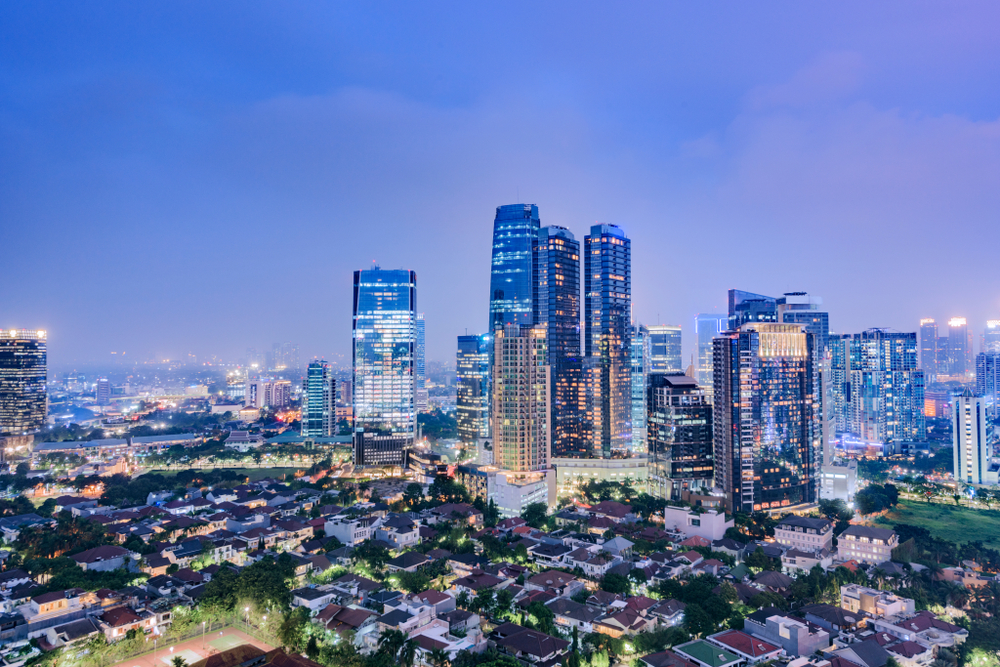
In Indonesia, seven infrastructure projects are underway for early next year to help the country attract new private investments, reported The Jakarta Post.
The Public Works and Housing Ministry (PUPR) has committed to advancing these projects valued at a striking IDR76.37 trillion (USD5.4 billion).
Eko “Heri” Djoeli Heripoerwanto, director general of infrastructure financing at PUPR, said that the projects consist of the Djuanda drinking water system (SPAM) in Purwakarta of West Java (~IDR 5.9 trillion), as well as six toll road and bridge plans (IDR 70.4 trillion).
The projects are planned to start its early transaction phase in the beginning of 2021.
In an online press conference, Heripoerwanto shared: “In 2021, we will start the procurement process for six roads that span 208.7 km and a drinking water system project. If everything goes smoothly, we could execute the process for all listed projects.”
More: Indonesian real estate on the cusp of reform
The private sector has been a huge helping hand to the government in easing the excessive state budget through financing, managing, and developing Indonesia’s infrastructure projects.
The Public Works and Housing Ministry predicts that the state funds are estimated to insure at most 30 percent of the necessary development funding until 2024.
These projects are part of 158 infrastructure projects that are still underway. Support from the private sector is needed to help finish such infrastructure that will drive economic growth.
The government’s governance will also be crucial to solving land acquisition and toll road tariff issues.
In spite of the economic downturn from the COVID-19 pandemic, Indonesia’s infrastructure projects are still appealing towards private investors and endure optimism in the long-run.
Recommended
Opportunity or trap? What Washington’s high-tech hub outside Manila means for Philippine property
The New Clark City Economic Security Zone promises billions in investment, but at what cost to Philippine sovereignty?
What Japan’s policy rate hike means for its property market
After decades of near-free borrowing, the country's policy rate is starting to reshape the calculations behind property investment

A conversation with the head of Vietnam’s Green Building Council on the cost of doing nothing
The VGBC’s Douglas Snyder argues that the real cost developers should fear isn’t building green. It’s failing to do so

These 6 projects are among Asia’s greenest in 2026
Proof that better buildings are defined as much by how they operate as how they look