Indonesia relaxes levies on luxury home sales
Threshold for tax on upscale homes raised in efforts to stimulate property sector
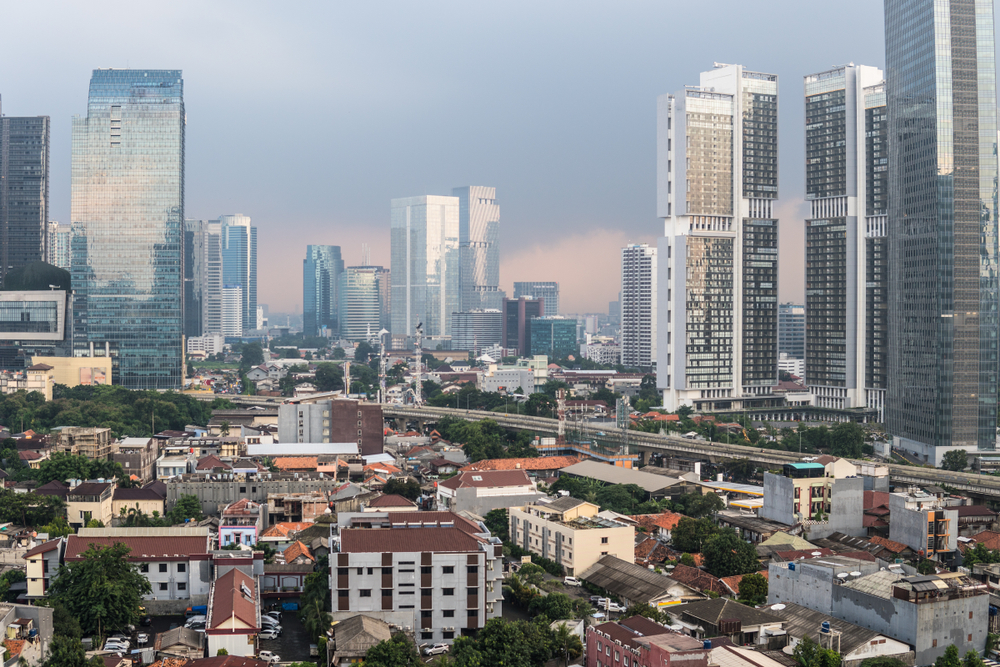
Indonesia is raising the price threshold of its luxury sales tax on residential property to give a lift to the real estate industry, the local finance ministry announced Wednesday.
The luxury levy of 20 percent will apply to buyers of residential units worth IDR30 billion (USD2.1 million) in a departure from housing policies instituted a few years ago.
Under President Joko Widodo, the levy had been imposed on landed homes worth IDR20 billion and apartments priced at IDR10 billion, noted Reuters.
More: Maritime highways to blaze new trail for Indonesia’s neglected property markets
The raising of the luxury tax threshold is part of a wider campaign by the Indonesian government to defibrillate the local property sector.
Toward the end of last year, Bank Indonesia relaxed the housing loan-to-value ratio, lowering the minimum mortgage downpayments for first-home buyers from 20 percent to 15 percent for units bigger than 70 square meters. Those seeking second homes can put down a minimum downpayment of 20 percent, down from 30 percent previously, while third-home seekers can take advantage of a minimum downpayment of 25 percent, down from 40 percent.
The annual increase in residential property prices have decelerated since the first quarter of 2018, according to a Bank Indonesia survey.
However, the central bank also unleashed 175 basis points of interest rate increases over the last year in a bid to curb foreign capital outflows.
Recommended

Why everyone is moving to Selangor and Johor: Malaysia’s real estate comeback
Malaysia’s upturn in fortunes is especially prevalent in secondary destinations such as Selangor and Johor

Penang’s silicon boom: How the US-China tech war is supercharging local real estate
Penang’s booming semiconductor industry has created ripples within the local real estate sector

New leader, new opportunities: How Hun Manet is shaking up Cambodia’s real estate game
Hun Manet is overseeing decent economic growth and widening access to the country’s real estate market for foreigners

Singapore embraces inclusive housing reforms amid resilient demand
The Lion City’s regulatory strength continues to exert appeal for international investors