India’s office space occupancy to improve around 87% next fiscal
Net leasing of commercial office space will reach 90-95 percent of the pre-pandemic level
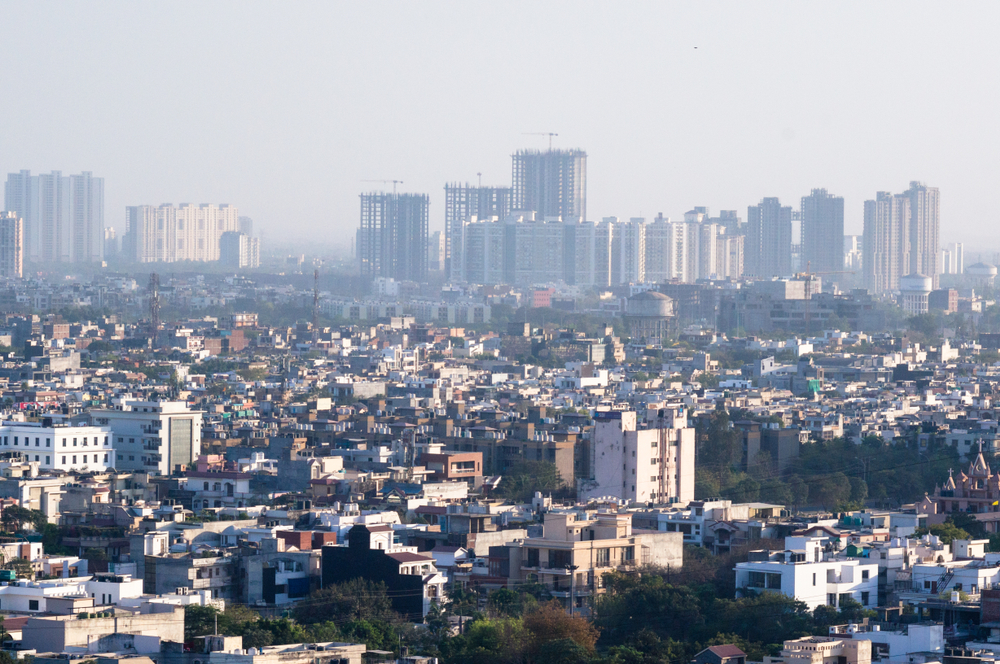
During the next financial year, net leasing of the office space across India’s seven major cities will hit 90-95 percent of the pre-pandemic levels due to fresh hiring and return of work-from-office, said ET Realty.com.
Net leasing is calculated as the absorption of new office space, less space vacated by tenants.
According to rating agency Crisil in a statement, “Net leasing of commercial office space (Grade-A) will reach 90-95 percent of the pre-pandemic level next fiscal, up from an estimated 70-75 percent in the current one, with a return to office fathering steam and new hiring picking up strongly.”
It also added that the rise in net leasing and steady rental collections will make sure that commercial real estate owners’ credit profiles remain stable.
Last fiscal year, net leasing almost halved to 20 million square feet s absorption of new spaces was inactive.
The agency said that some tenants even vacated office sites.
“Leasing remained modest in the first half of this fiscal, too. With supply exceeding demand, market occupancy reduced to 85 percent in September 2021, from the pre-pandemic mark of around 89 percent in March 2020.
More: India’s property market recovers with 46% increase in house sales
“That said, the leasing activity is expected to pick up from the fourth quarter of this fiscal and occupancy to improve to around 87 percent next fiscal, closing inn on the pre-pandemic level,” the statement said.
The top seven cities, which include Chennai, Kolkata, Bengaluru, Hyderabad, Mumbai Metropolitan Region, Pune, and Delhi-NCR, have an operation stock of around 625 million square feet as of March 2021.
The Property Report editors wrote this article. For more information, email: [email protected].
Recommended

A conversation with the VGBC’s executive director on the risk of not building green
The Vietnam Green Building Council's Douglas Snyder argues that the real cost developers should fear isn't building green

These 6 projects are among Asia’s greenest in 2026
Proof that better buildings are defined as much by how they operate as how they look
Indonesia’s property market feels the pinch of a reeling rupiah
As Jakarta tightens its grip on strategic minerals, investors are fleeing, leaving the property sector in limbo

Japan’s cities boom as rural towns hollow out
Millions of homes sit abandoned as the forces reshaping Japan's property market pull in opposite directions