Hong Kong most prone to property bubble in Asia: UBS
The city held the dubious honour globally last year
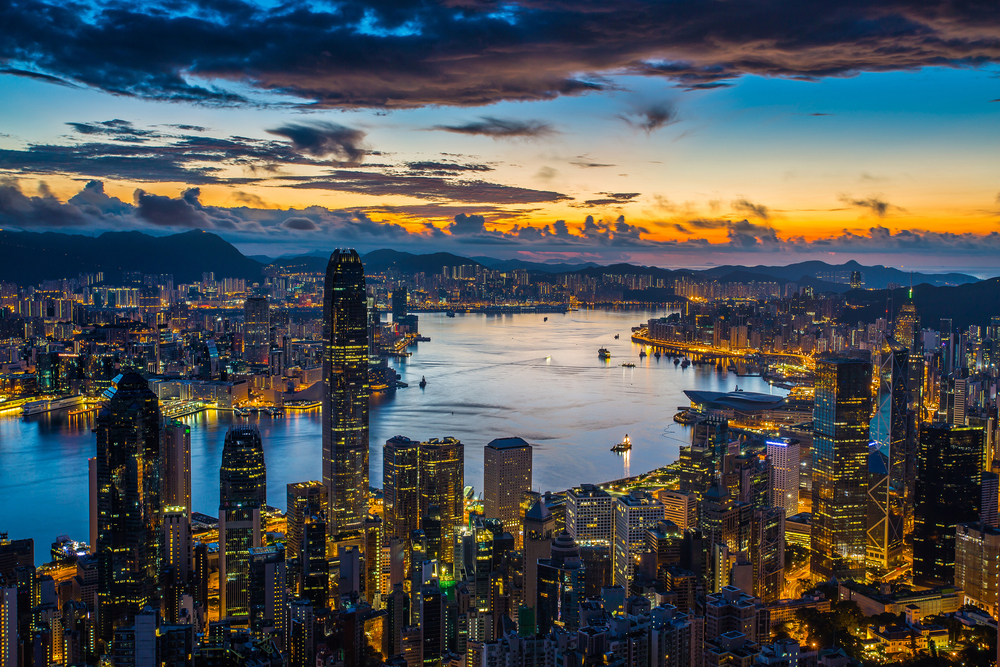
The greatest risk of a real estate bubble in Asia is currently in Hong Kong, according to the latest annual edition of the UBS Global Real Estate Bubble Risk Index.
The Chinese SAR was assigned an index score of 1.84, the highest bubble risk in the region and third worldwide after Munich and Toronto, which garnered 2.01 and 1.86, respectively.
“In Hong Kong, momentum has abated and prices have fallen slightly since mid-2018,” the authors of the study noted via Mingtiandi. “Nevertheless, although the city is still in bubble-risk territory, given that prices have doubled over the last ten years, there is no fundamental trend reversal in sight.”
More: Hong Kong, Tokyo home to the world’s most expensive ultra-prime houses
Hong Kong had been rated most at-risk globally for a property bubble a year ago on the index, which has since expanded to rank 24 cities including Madrid, Moscow, Dubai and Tel Aviv.
The Chinese SAR still has the distinction of being the most unaffordable city on the list. To buy a 60-square-metre apartment in the city, one has to save 21 years’ worth of wages, analysts with the bank estimated.
The city also has one of the highest price-to-rent ratios in the world. A 650-square-foot Hong Kong flat will need to be rented out for 37 years before it is fully paid off, UBS estimated.
Recommended

A conversation with the VGBC’s executive director on the risk of not building green
The Vietnam Green Building Council's Douglas Snyder argues that the real cost developers should fear isn't building green

These 6 projects are among Asia’s greenest in 2026
Proof that better buildings are defined as much by how they operate as how they look
Indonesia’s property market feels the pinch of a reeling rupiah
As Jakarta tightens its grip on strategic minerals, investors are fleeing, leaving the property sector in limbo
Japan’s cities boom as rural towns hollow out
Millions of homes sit abandoned as the forces reshaping Japan's property market pull in opposite directions