Hong Kong buyers splurge $1.5bn on Greater Bay Area homes
Opening of the world’s longest sea-crossing bridge excites property seekers in the Pearl River Delta
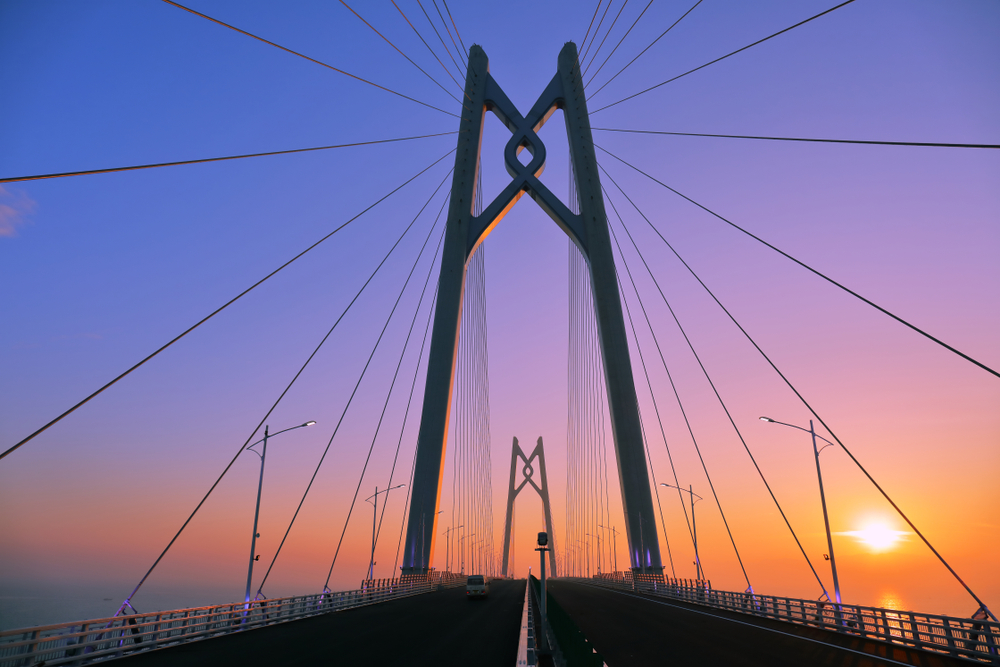
Hong Kong property seekers lavished an estimated CNY10 billion (USD1.48 billion) last year on homes in the Greater Bay Area in anticipation of an inrush of activity in the future megalopolis, the South China Morning Post reported.
Hongkongers snapped up some 10,000 homes in the area, the properties averaging at a price of a million yuan, according to Andy Lee Yiu-chi, chief executive for southern China at Centaline Property Agency.
Buyers from Hong Kong reportedly spent 10 percent more than they did in 2017, Lee added.
More: Mainlanders spending more than Westerners for Hong Kong rents
The opening of the Hong Kong-Macau-Zhuhai bridge last year galvanised home buyers, expecting the ambitious infrastructure, dubbed the world’s longest sea-crossing bridge, would be a boost to property prices.
The Greater Bay Area covers several contiguous cities in the Pearl River Delta — Hong Kong, Macau, Guangzhou, Shenzhen, Zhuhai, Foshan, Zhongshan, Dongguan, Huizhou, Jiangmen and Zhaoqing — that the central government in Beijing hopes to integrate into a megalopolis.
Most buyers favoured the cities of Zhuhai, Foshan and Zhongshan for their purchases. Homes in the cities reportedly sell for around a tenth of the average price in Hong Kong.
“The Zhuhai-Macau-Hong Kong bridge has made Zhuhai another important gateway to China,” Gong Weizong, the Zhuhai regional manager for Centaline, told the Post.
Recommended
A conversation with the VGBC’s executive director on the risk of not building green
The Vietnam Green Building Council's Douglas Snyder argues that the real cost developers should fear isn't building green

These 6 projects are among Asia’s greenest in 2026
Proof that better buildings are defined as much by how they operate as how they look
Indonesia’s property market feels the pinch of a reeling rupiah
As Jakarta tightens its grip on strategic minerals, investors are fleeing, leaving the property sector in limbo
Japan’s cities boom as rural towns hollow out
Millions of homes sit abandoned as the forces reshaping Japan's property market pull in opposite directions