Ho Chi Minh is set to flourish into a smart globalised city
The forward-thinking, digitally-invested government has paved the way for this framework to become a reality
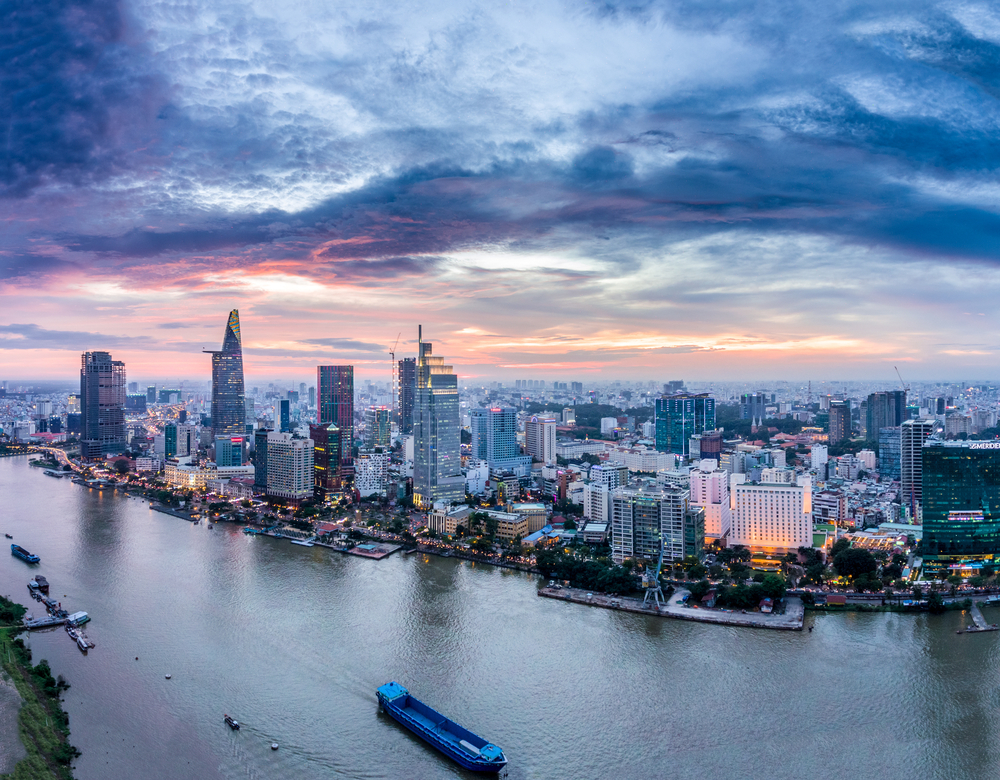
During the pandemic, Vietnam has managed to keep the number of infections low, which bode well for its potential to become an investment hub. Opportunities for new trade and investment arose, and its economy remained as resilient as ever, revealed Techwire Asia.
The digital businesses within the country have also prospered, with experts claiming that it has become “the fastest-growing digital economy in the entire Asia Pacific.”
Backed by a ‘forward-thinking, digitally-invested government’ who has been encouraging the establishment of a national e-commerce transformation plan, online businesses are forecasted to grow by up to 43 percent in the next five years.
This same government have also been supervising the plan to transform Ho Chi Minh, Vietnam’s business and technology hub, into ‘the country’s first, truly smart city.’
More: Vietnam real estate market retains interest of seasoned investors amid COVID-19
According to the press release published by the Vietnamese Ministry of Information and Communications, the authorities have already established the fundamental components to modernise the city.
Among the essential aspects that will be implemented include a smart city operations and control centre, a centre for information safety, a centre for socioeconomic forecasts and simulation, and a shared database with an open data ecosystem.
With a centralised data collection, urban problems can easily be addressed since they will be able to come up with solutions optimised for the city based on data-driven insights. Some of the solutions that can benefit residents are improved urban transportation systems, traffic management, and environmental monitoring and control.
As the city of about nine million people moves forward by modernising its infrastructure, it will eventually be able to attract more foreign investments and collaboration opportunities.
Recommended

Allan Zeman on Phuket’s luxury evolution and the vision behind Sudara
The real estate legend is harnessing his deep knowledge to take the residential sector in Phuket to new heights

6 projects proving affordable housing can be done right
A new generation of developers proving that affordability and quality design can build a fairer urban future
He conquered high finance. Now FollowTrade’s Roy Ling preaches patience
A chat with the new chair of the PropertyGuru Asia Property Awards (Singapore)
Why cities plan for decades but finance only for years
Chantale Wong on how mismatched timelines between cities and capital are stymieing Asia-Pacific’s urban future