Hanoi apartment market growth slows down
Vietnamese capital registers lowest level of launches since 2014 as strict lending guidelines bite
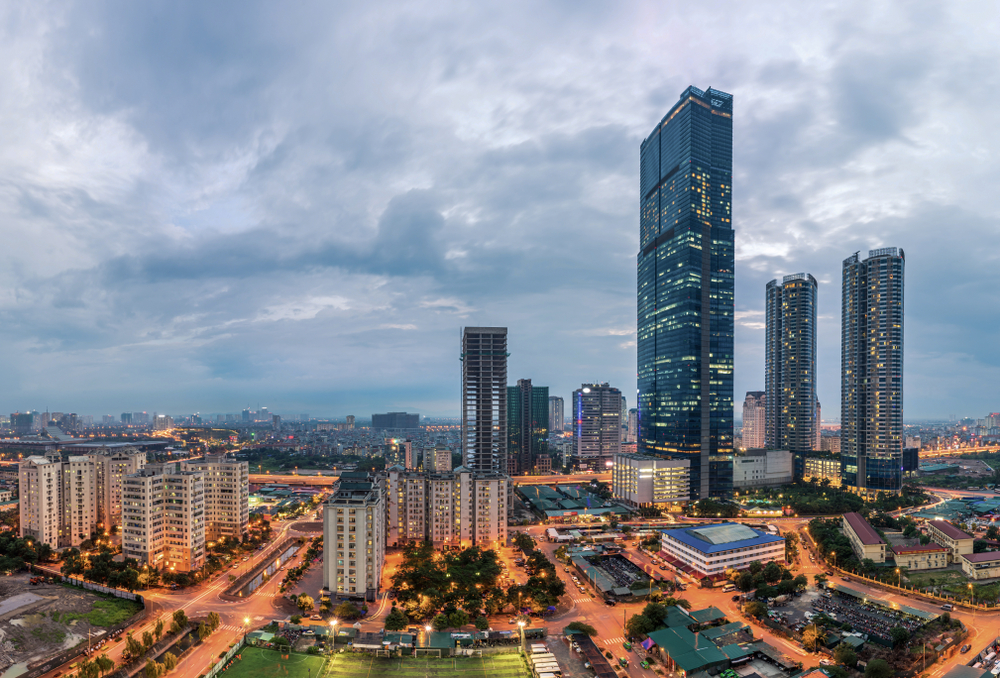
After a period of strong growth, investor demand for Hanoi apartments showed signs of deceleration in the second quarter of 2019, although demand from owner-occupiers remained “healthy”, according to a new report from JLL Vietnam.
The take-up of apartments in the Vietnamese capital for Q2 2019 amounted to more than 4,660 units, down 65.3 percent from the last quarter.
End-user demand in the city is running counter to tightening access to mortgage, exacerbated by a stricter loan assessment process by commercial banks and increasing interest rates.
More: Vietnam’s most vibrant architecture practices
Only 5,900 units were added to the market during the quarter, around half the adds in Q1 2019. The projected supply pipeline for the rest of the year stands at 10,000 to 15,000 units.
“Stricter lending regulations regarding high-end projects coupled with a scarcity of prime freehold land bank in the CBD are giving developers pause in launching new luxury developments in the near and medium terms,” JLL Vietnam analysts stated.
“Resale activity will remain lukewarm as buyers become more cautious and selective due to economic uncertainty,” they added.
Primary prices slightly improved, going up 0.5 percent on the quarter or 6.9 percent higher than the same period a year ago. Otherwise, developers have kept prices unchanged and even introduced discounts of as much as six percent due to downcast market sentiment from the stricter lending regulations.
Recommended

A conversation with the VGBC’s executive director on the risk of not building green
The Vietnam Green Building Council's Douglas Snyder argues that the real cost developers should fear isn't building green

These 6 projects are among Asia’s greenest in 2026
Proof that better buildings are defined as much by how they operate as how they look
Indonesia’s property market feels the pinch of a reeling rupiah
As Jakarta tightens its grip on strategic minerals, investors are fleeing, leaving the property sector in limbo
Japan’s cities boom as rural towns hollow out
Millions of homes sit abandoned as the forces reshaping Japan's property market pull in opposite directions