Easing of mortgage rules in Thailand to increase loans by $1.5B
The loan-to-value ratio limit has been lifted to 100 percent to increase activity in the property sector
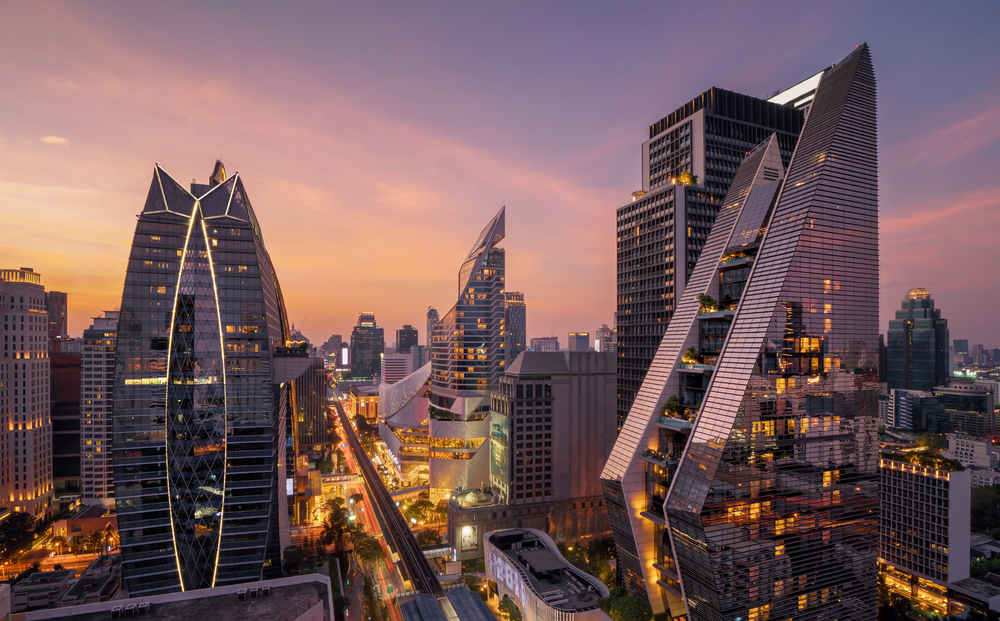
Thai officials revealed that the Bank of Thailand (BoT) has further eased rules on mortgages to spur an important property sector negatively impacted by the pandemic, reported Bangkok Post.
To boost activity in the real estate sector, the loan-to-value ratio limit has been lifted from 70-90 percent to 100% until the end of 2022, officials said. The easing of rules and additional measures are expected to increase home loans by THB50 billion (USD1.5 billion) per year.
Roong Mallikamas, an assistant BoT governor, said, “Uncertainty remains high and some sectors are still fragile, so measures have been introduced to stimulate the economy and increase jobs.”
She added that the measures will be for all housing loan contracts and refinancing, while there is little sign of speculation in the sector.
Shares in real estate developers rose 1.2 percent, with Origin Property up 6.5 percent, and Noble Development up three percent.
According to senior BoT director Don Nakornthab, the property sector makes up around 10 percent of gross domestic product (GDP) and supports 2.8 million people. The bank forecasts GDP growth of 0.7 percent this year and 3.9 percent in 2022.
Don said that the property sector will take much longer to recover, despite Thailand’s prediction to return to pre-pandemic levels in early 2023.
“The economy has already bottomed out. But without additional measures, property sector activity is not expected to return to pre-crisis levels until 2025,” he said.
More: Thai hoteliers prepare for tourism comeback as COVID-19 led to 71% unemployment
“We are hoping the measures will help the property sector recover faster,” Don said.
The Finance Ministry is also lending a hand to the sector by extending some property measures.
The Property Report editors wrote this article. For more information, email: [email protected].
Recommended
Is China’s housing market finally turning a corner?
Shanghai’s property revival raises hopes, but falling prices elsewhere point to a long recovery

Opportunity or trap? What Washington’s high-tech hub outside Manila means for Philippine property
The New Clark City Economic Security Zone promises billions in investment, but at what cost to Philippine sovereignty?

What Japan’s policy rate hike means for its property market
After decades of near-free borrowing, the country's policy rate is starting to reshape the calculations behind property investment

A conversation with the head of Vietnam’s Green Building Council on the cost of doing nothing
The VGBC’s Douglas Snyder argues that the real cost developers should fear isn’t building green. It’s failing to do so