China’s average new house prices grew reasonably in December
The property market raises concerns on financial risks as it quickly bounces back
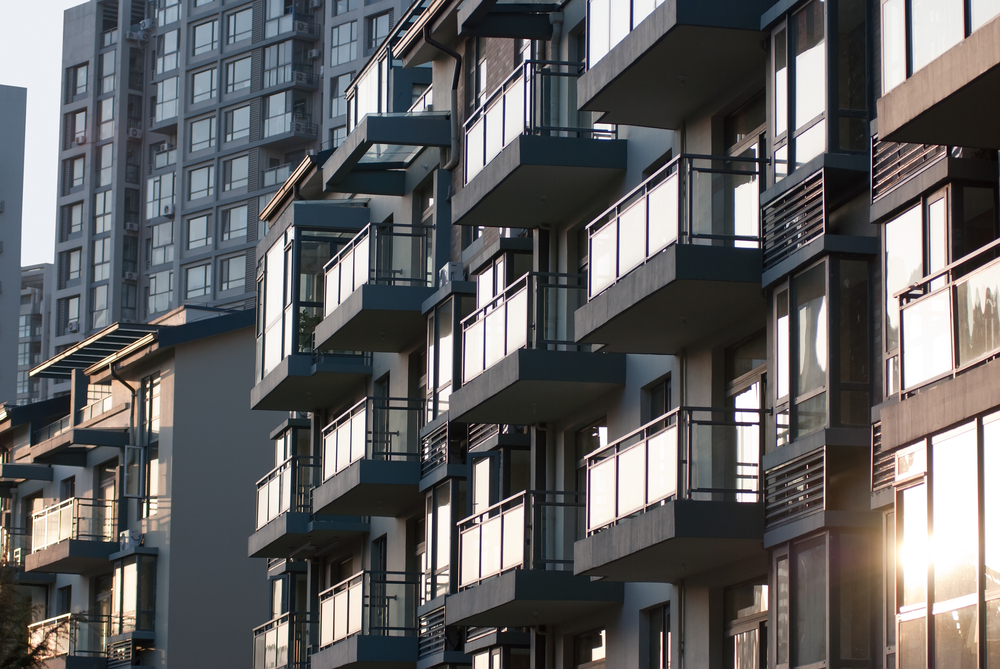
According to the National Bureau of Statistics (NBS), average new house prices in 70 major cities increased by 0.1 percent month on month in December, as government measures cool property market, reported South China Morning Post.
Owing to local governments’ urban residency permits and relaxation on price ceilings, China’s real estate market has recuperated rapidly from the pandemic.
However, the quick recovery has heated up financial risk concerns, with the government initiating measures to deleverage the sector since the second half of 2020.
Regulators defined in August borrowing caps known as “the three red lines”, while in December, the central bank introduced limits on property loans issued by banks.
Data from the NBS indicated that, in November, the number of cities reporting monthly price rises for new homes increased from 36 to 42 out of 70 cities. Monthly increases were caused by price rises in tier-1 cities, which included Shanghai, Beijing, Shenzhen, and Guangzhou.
More: Chinese buyers unlikely to invest in foreign property next year
Tier-1 cities’ new home prices grew 0.3 percent, and second-hand home prices rose 0.6 percent.
Zhang Dawei, an analyst with property agency Centaline, revealed that price rises in tier-1 cities were due to population inflow, tight new home supply, and growing speculative purchases.
In 2020, China experienced unequal growth in home prices, as affluent residents gained the most of easy credit during the pandemic to buy properties in eastern and southern coastal cities, while smaller cities wrestled with the mass migration of people.
Yangzhou city led monthly price rise in December with 0.8 percent, showed the NBS data.
Economist at UBS mentioned, “we expect property policies to be more hawkish [in 2021] in light of strong growth rebound and more focus on risk control, with tougher rules on developers’ financing and property-related credit persisting, and some overheating cities tightening home purchase rules.”
Recommended
South Asia’s property markets edge back from the brink
After years of turmoil, South Asia’s real estate sectors are stirring back to life, buoyed by reform and renewed investor confidence

How property can be a force for good in Asia
Real estate is no longer seen only as an engine of profit but as a measure of how societies value people
What comes next for Southeast Asian real estate in 2026
From return-to-office realities to climate and tech disruptions, Southeast Asia’s residential markets are being reshaped by deeper forces

Foreign demand recalibrates in Southeast Asia housing markets
Even amid global headwinds, Southeast Asia’s property markets hold appeal for foreign buyers