Cambodia to develop smart cities for increased tourism and living standards
Phnom Penh, Battambang, and Siem Reap have been chosen to participate in ASEAN’s Smart Cities Network
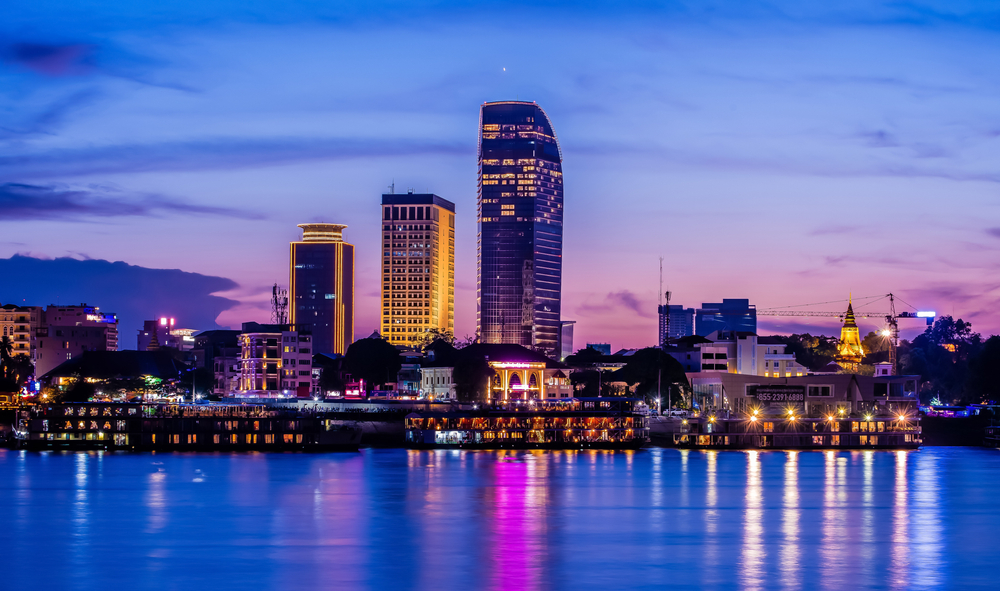
In Cambodia, determination to create environmentally friendly urban hubs for better local living standards and tourist attraction leads to government discussions on building smart cities, reported Khmer Times.
Prum Sokha, minister of civil service, said that a smart city is defined by its integration of digital advances and livability. More than 80 percent of the population will relocate to cities, signalling the importance of improving infrastructure.
Phnom Penh, Battambang, and Siem Reap have been selected to take part in ASEAN’s Smart Cities Network, which works towards ASEAN’s common goal of achieving smart, sustainable urban development in 26 cities around the region by 2025.
Sokha noted the need to focus on areas such as jobs, food, transportation, communication, education, healthcare, security, electricity, and clean water.
More: Cambodian real estate players optimistic for the return of tourism
According to Ngy Chanphal, secretary of state of the Interior Ministry and the Cambodian representative at the ASEAN Smart Cities Network National, said Phnom Penh’s smart city action plan will focus on improving the environment and the quality of life of its residents.
Battambang’s plan is to boost social responsibility and create a clean environment, said Chanphal. Siem Reap’s aim is to improve its attractiveness as a tourist destination, while maintaining its cultural heritage.
Sihanoukville is receiving investments from the Investing in Infrastructure (3i) programme, while Bokor City is also trying to draw in foreign investors and tourists via a smart city plan, which will preserve its heritage and develop it as an eco-tourism destination.
The Property Report editors wrote this article. For more information, email: [email protected].
Recommended
Is China’s housing market finally turning a corner?
Shanghai’s property revival raises hopes, but falling prices elsewhere point to a long recovery
Opportunity or trap? What Washington’s high-tech hub outside Manila means for Philippine property
The New Clark City Economic Security Zone promises billions in investment, but at what cost to Philippine sovereignty?
What Japan’s policy rate hike means for its property market
After decades of near-free borrowing, the country's policy rate is starting to reshape the calculations behind property investment

A conversation with the head of Vietnam’s Green Building Council on the cost of doing nothing
The VGBC’s Douglas Snyder argues that the real cost developers should fear isn’t building green. It’s failing to do so