Cambodia endeavours to further retail
The country shows proof of becoming one of the fastest growing economies in Asia, thanks largely to retail
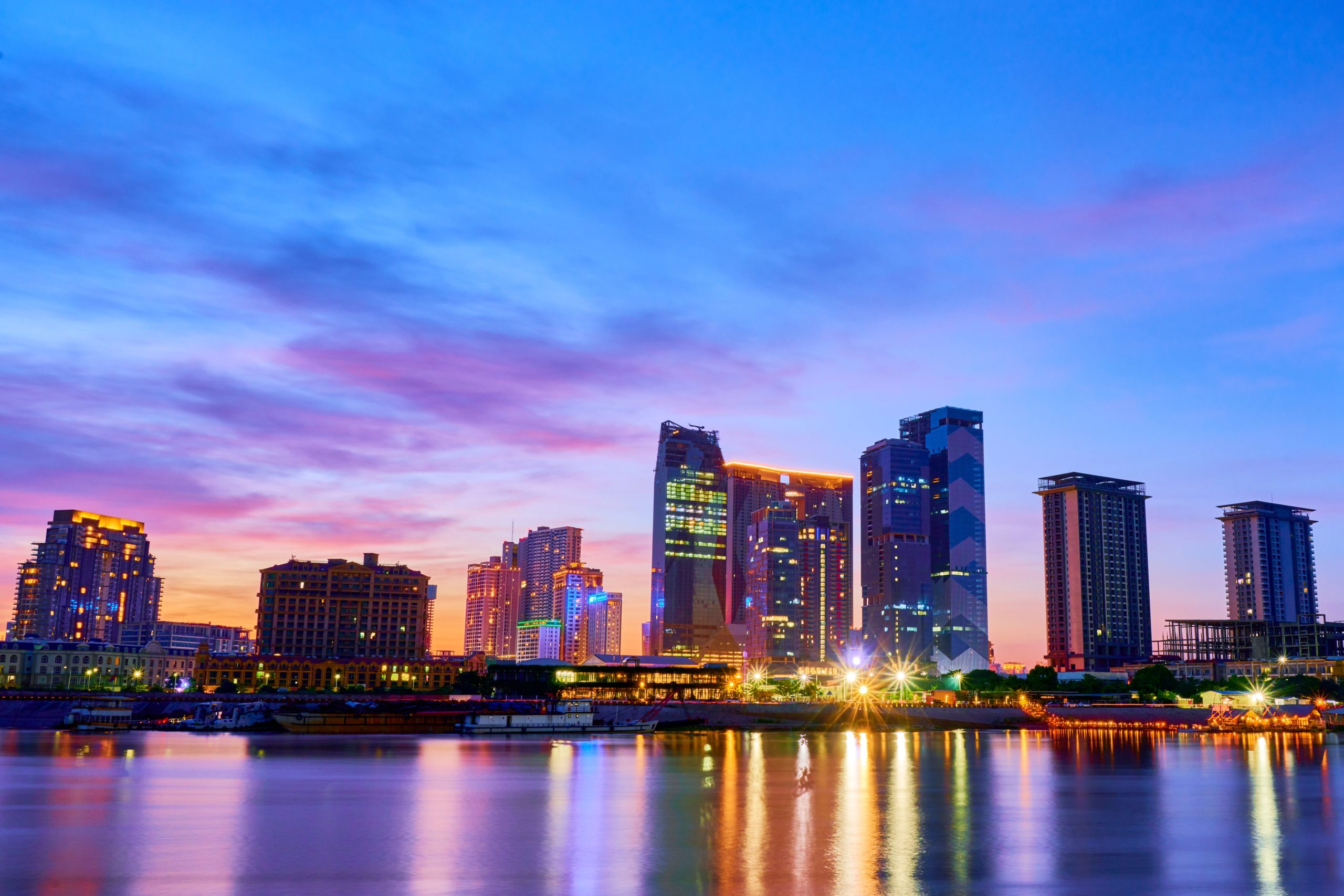
Southeast Asia has been gaining investors as the world opened up after the pandemic. According to business network Asian Insiders, Cambodia saw a consistent GDP growth of six to seven percent in the past decade.
Cambodia has a younger population, with 40 percent of it under 25, slowly becoming wealthier and making it easier for them to enjoy longer lifespans and spend more on goods whether it be food and beverages or luxury goods. Proof of this can be seen in the rise of luxury car brand showrooms and the abundance of imported fashion and household goods in the country’s mega-malls.
The Phnom Penh Post revealed that a local group of companies has entered a joint venture with South Korean-owned Luxury Business Group to further develop Cambodia’s retail industry as it was forecasted to soon be joining neighbouring countries Thailand and Vietnam, known for having a huge luxury market. The local group will be provided with different consulting approaches to address potential issues that may arise within the sector and provide insights into what can be done to improve.
More: When the chips are down in Cambodia
Aside from this joint venture, media and news company JustStyle discussed three new investment projects belonging to Cambodian companies New Target Footwear Co., Ltd., Golden Island Garments Co., Ltd., and Jin Long Quan Co., Ltd., providing 5,000 job opportunities in the country’s Takeo and Kandal provinces.
The Kingdom is taking advantage of this rise in retail investment to manufacture more Cambodia-made products that would turn attention towards the country. In return, all the attention they hope to receive may come with investors interested in what the country can offer.
The Property Report editors wrote this article. For more information, email: [email protected].
Recommended
Is China’s housing market finally turning a corner?
Shanghai’s property revival raises hopes, but falling prices elsewhere point to a long recovery
Opportunity or trap? What Washington’s high-tech hub outside Manila means for Philippine property
The New Clark City Economic Security Zone promises billions in investment, but at what cost to Philippine sovereignty?
What Japan’s policy rate hike means for its property market
After decades of near-free borrowing, the country's policy rate is starting to reshape the calculations behind property investment

A conversation with the head of Vietnam’s Green Building Council on the cost of doing nothing
The VGBC’s Douglas Snyder argues that the real cost developers should fear isn’t building green. It’s failing to do so