Vietnam lenders still ready for housing risk despite central bank tightening
Recent draft circular proposes to make adjustments to Circular 36/2014/TT-NHNN
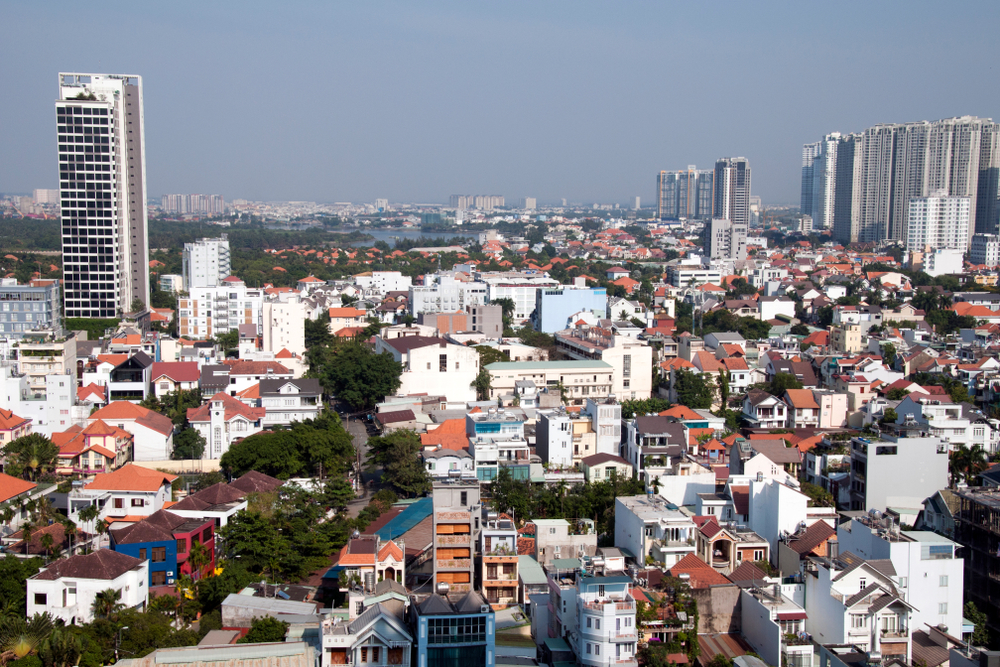
Vietnamese banks still have abundant liquidity and are equipped to lend to risky sectors such as property, Viet Nam News reported, citing central bank officials.
Nguyen Quoc Hung, director of the State Bank of Vietnam’s credit department, reassured media that the recent draft circular would help the central bank manage liquidity risks. However, “though we all know real estate is a business with high risks, it does not mean the banks restrict lending to the sector,” he said.
The draft circular sets the risk weight asset ratio to 150 percent for mortgages worth VND3 billion (USD126,000) and 100 percent for loans worth VND1.5-3 billion. The current ratio for both loan types is 50 percent.
More: Vietnam’s most vibrant architecture practices
It also aims to gradually reduce the ratio of short-term deposits used for medium- and long-term loans until 2022. It will be reduced from 40 percent to 30 percent by July 2020.
Tightening access to credit for home purchases is unnecessary since the residential sector drives other sectors such as construction as well as cement and steel production, according to a spokesman for the Vietnam Real Estate Association.
Hung countered that credit tightening will be enforced equitably on all sectors. “Banks do not lack capital but need to limit risks. So they will only lend to effective projects that meet legal requirements and prove to be profitable.”
Outstanding loans to the real estate sector rose 3.29 percent in the first quarter of 2019.
Recommended

A conversation with the VGBC’s executive director on the risk of not building green
The Vietnam Green Building Council's Douglas Snyder argues that the real cost developers should fear isn't building green

These 6 projects are among Asia’s greenest in 2026
Proof that better buildings are defined as much by how they operate as how they look
Indonesia’s property market feels the pinch of a reeling rupiah
As Jakarta tightens its grip on strategic minerals, investors are fleeing, leaving the property sector in limbo

Japan’s cities boom as rural towns hollow out
Millions of homes sit abandoned as the forces reshaping Japan's property market pull in opposite directions