Bank loans and government support increase Macau property sales
First-time buyers of properties valued at less than MOP3 million (USD374,000) can enjoy a 90 percent loan from banks
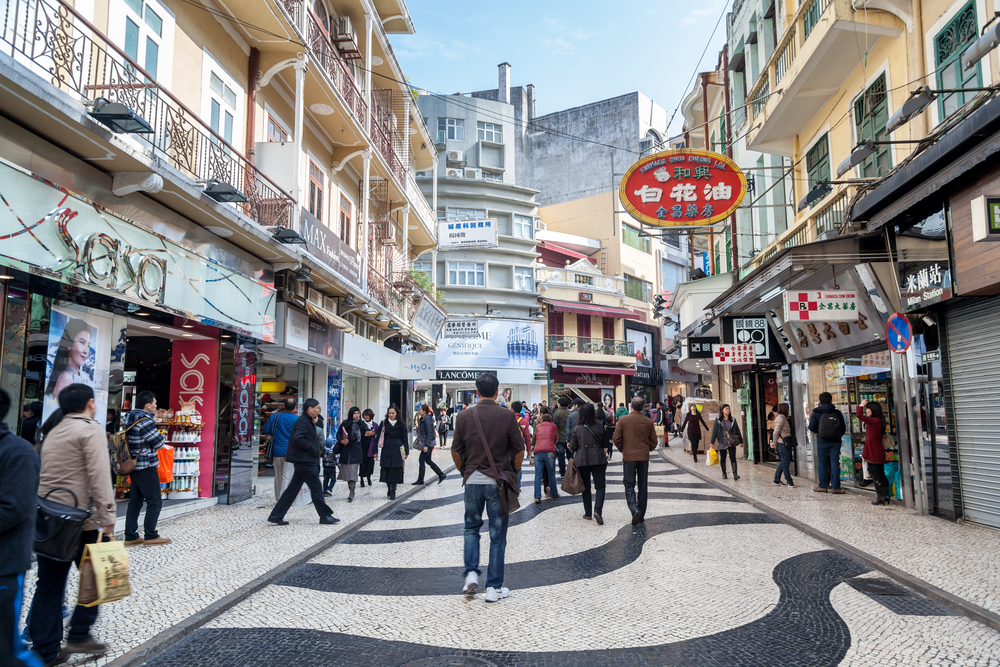
According to The Macao News, generous support from the banks and government have sent Macau into a property buying frenzy.
As stated by the Monetary Authority of Macao (AMCM), new approvals of residential mortgage loans (RMLs) and commercial real estate loans (CRELs) both spiked in March.
New RMLs authorised by local banks increased by 38.9 percent to MOP2.96 billion (USD370 million), month-on-month. Those approved for residents accounted for 99.7 percent of the total.
From January to March, the monthly average of new RMLs approved sat at MOP2.6 billion, 6.1 percent down from the same period last year.
Meanwhile, new CRELs jumped 17.2 percent to MOP1.92 billion in March, while loans for residents rose 24.8 percent to MOP1.91 billion.
More: Sales of second-hand Tokyo apartments increased 110.4% in April
Moreover, the Macau Daily Times reported that the monthly average of new CRELs was MOP2.4 billion in the first quarter, a 0.5 percent reduction.
Current regulations indicate that recurrent property buys induce a special stamp duty. However, first-time buyers of properties that cost less than MOP3 million can receive a 90 percent loan from banks, with a guarantee from the government.
First-time buyers purchasing a property valued between MOP3 million and MOP6 million can enjoy an 80 percent loan with government support.
Recommended
Opportunity or trap? What Washington’s high-tech hub outside Manila means for Philippine property
The New Clark City Economic Security Zone promises billions in investment, but at what cost to Philippine sovereignty?

What Japan’s policy rate hike means for its property market
After decades of near-free borrowing, the country's policy rate is starting to reshape the calculations behind property investment

A conversation with the head of Vietnam’s Green Building Council on the cost of doing nothing
The VGBC’s Douglas Snyder argues that the real cost developers should fear isn’t building green. It’s failing to do so

These 6 projects are among Asia’s greenest in 2026
Proof that better buildings are defined as much by how they operate as how they look