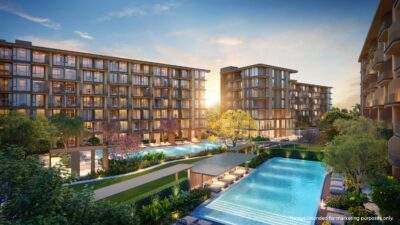
Bangkok faces growing condo vacancies as demand from Chinese investors plunge
Local authorities introduce measures to combat the property market’s gloomy outlook
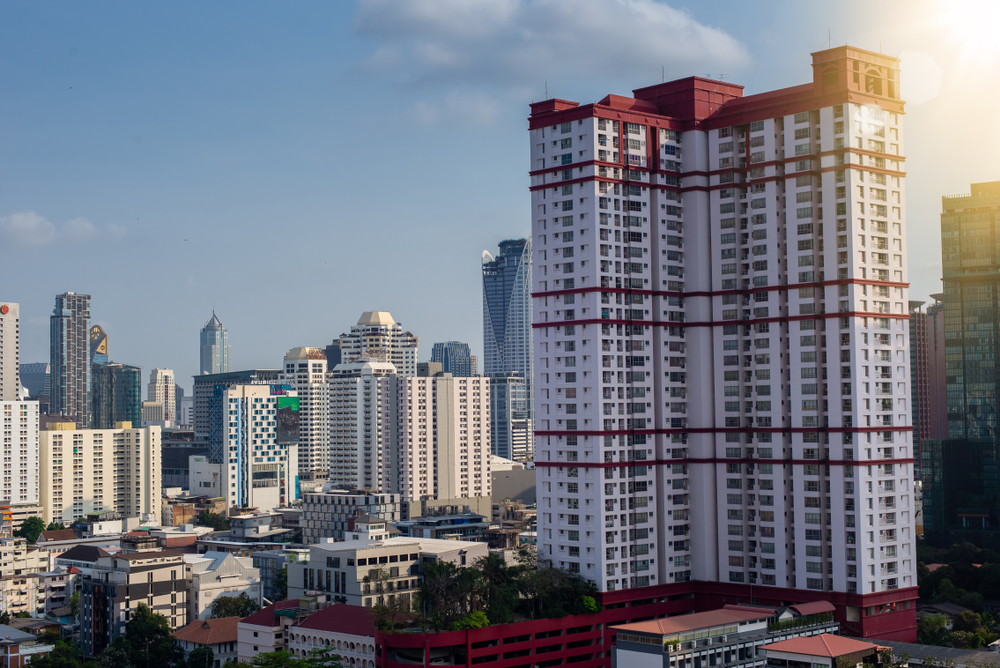
According to Retail News Asia, there are approximately 100,000 vacant condominiums in and around Bangkok as demand from Chinese investors drop.
In the last two years, one-fifth of property investments in the kingdom’s capital was from foreigners, revealed Agency for Real Estate Affairs. Nevertheless, the coronavirus outbreak has cut the numbers in half since most investors are Chinese who are not only barred by travel restrictions, but are also facing economic uncertainties in their own country.
If the forecasts do transpire, Bangkok’s real estate market will be hit hard, particularly the condominium segment where there are already around 100,000 vacancies.
More: Coronavirus outbreak to further disrupt property investment sales in Thailand in 2020
Apart from the looming impact on the real estate market, the kingdom’s economy has already felt the pressure last year amid the US-China trade war and strengthening currency. The local government said the projected domestic growth product will only be 1.5 percent in 2020, a six-year low if materialised.
To counter the effects, local authorities have already introduced measures to help the property market, such as more lenient lending rules from the Bank of Thailand to motivate local buyers.
However, global real estate consultancy firm Collier calculated that the newly-developed condominiums in the first quarter of the year will reach 6,000, a year-on-year drop to 40 percent.
Recommended
How China builds its cities twice, first in data and then in concrete
Digital twins of cities manage everything from traffic flow to population density

How Thailand aims to supercharge growth through infrastructure, tourism, and tech
But investors now want proof of execution
6 of Southeast Asia’s finest integrated districts
Master-planned townships are re-emerging as a practical response to rapid urbanisation
6 award-winning projects bringing resort living to the city
Resort residences are increasingly focused on year-round use in urban destinations