Australia’s commercial property market is on the rise; green offices being developed
There were 862 commercial investment proposals totalling AUD82 billion from 2020 to 2021
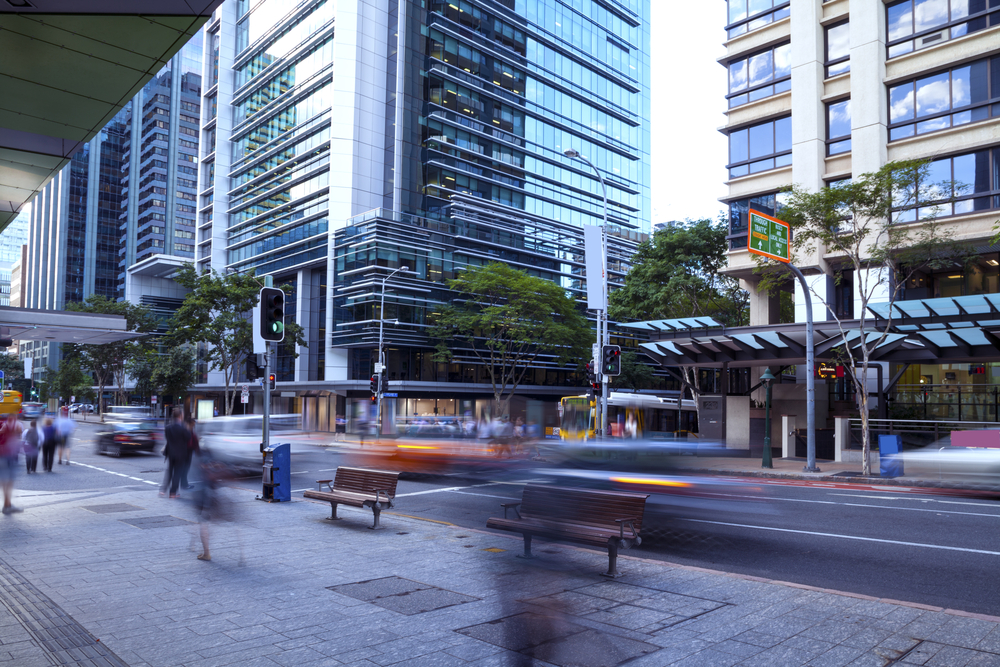
The Foreign Investment Review Board (FIRB) recently released data indicating that there were 862 commercial investment proposals totalling AUD82 billion from 2020 to 2021. It also revealed that there was a 95.9 percent annual increase in applications, which was a significant growth compared to the previous fiscal year’s AUD43.2 billion and 422 proposals.
“Foreign buyers continue to be active in both buying and selling commercial assets with early signs that this trend is set to continue despite the election and its outcome,” according to real estate agency Ray White.
Herron Todd White’s latest study shows that there was an influx in industrial property sales during Q1 2022. Its April 2022 Month in Review covers the months of January to March.
The data revealed that Brisbane, Gold Coast, and Ipswich are at the top of the market. Alice Springs, Darwin, Orange, and the Central Coast are in decline while Byron Bay, Lismore, Melbourne, and Townsville are on the rise.
More: Australia, a treasure trove for real estate investors
Herron Todd White commercial director David Walsh said, “Supply line issues throughout the pandemic saw strong performance in cold storage, temperature-controlled facilities, and storage assets.”
Meanwhile, Commercial Real Estate reported that Australian developers have also started working on green offices. Melbourne-based ICD plans to build the greenest office tower in Adelaide. It is targeting a six-star Green Star rating from the Green Building Council for the commercial portion of its AUD400 million revamp of Adelaide’s Central Market Arcade.
A six-star Green Star building’s qualities, as defined by the Green Building Council of Australia, include being built with low carbon materials; fossil fuel-free; highly efficient; and powered by renewable energy.
The 15,000 sqm all-electric office tower will have rooftop solar and rainwater capture for irrigation. Also, it will be built entirely out of locally sourced, recovered, and recycled materials.
At least 90 percent of the waste generated will be diverted from landfills.
The Property Report editors wrote this article. For more information, email: [email protected].
Recommended
Is China’s housing market finally turning a corner?
Shanghai’s property revival raises hopes, but falling prices elsewhere point to a long recovery
Opportunity or trap? What Washington’s high-tech hub outside Manila means for Philippine property
The New Clark City Economic Security Zone promises billions in investment, but at what cost to Philippine sovereignty?
What Japan’s policy rate hike means for its property market
After decades of near-free borrowing, the country's policy rate is starting to reshape the calculations behind property investment
A conversation with the head of Vietnam’s Green Building Council on the cost of doing nothing
The VGBC’s Douglas Snyder argues that the real cost developers should fear isn’t building green. It’s failing to do so