Australia needs one million social, affordable homes by 2036
At least 12% of all Australian housing must be within means of low-income earners, say researchers
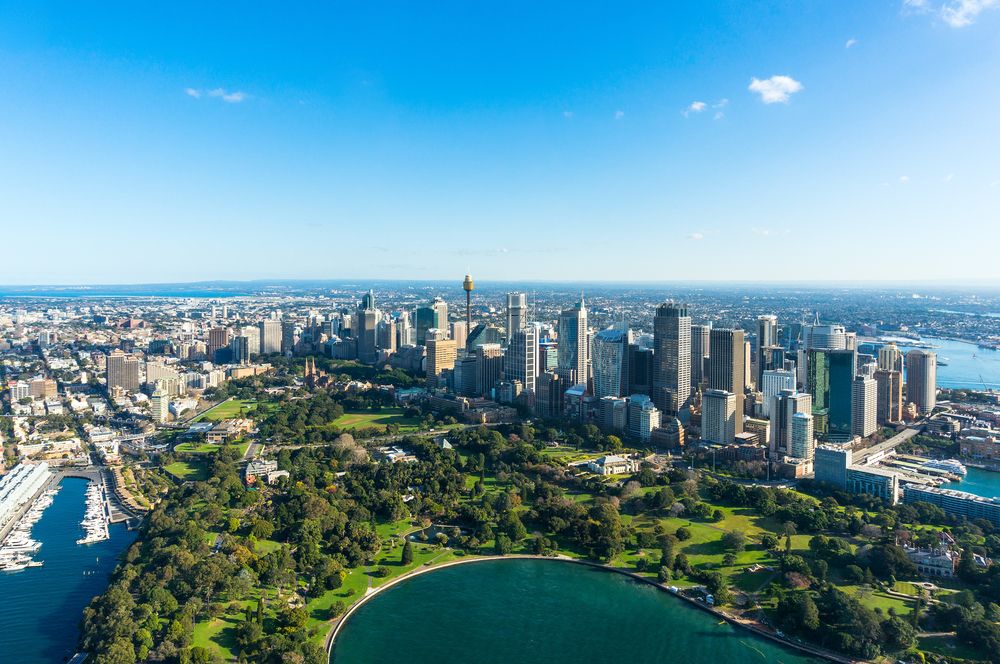
Australia will have a deficit of 1.02 million social and affordable residential properties by 2036, according to a joint report released this month by the University of New South Wales (UNSW) City Futures Research Centre and Community Housing Industry Association (CHIA) NSW.
The continent currently has an unmeet need of 651,200 social and affordable homes, led by Sydney with a shortfall of 136,100 units; Melbourne with 109,100; and Brisbane, 69,500.
The NSW capital’s need will balloon to 217,000 social and affordable homes by 2036, the report showed. The deficit will hit 176,800 units and 117,600 units in Melbourne and Brisbane, respectively.
More: Here are five of the best new Australian architects
The report refers to social homes as those rented to people on social security and affordable homes as those rented out at 20 percent less than market rates to lower-income groups.
“Our analysis shows that the sheer number of households in rental stress across the country means that if we’re going to meet the need, at least 12 percent of all our housing by 2036 will need to be social and affordable housing — which is a very reasonable ambition in global terms,” said lead researcher Laurence Troy in a statement.
“It is possible for underlying economic conditions to change, shifting more household out of rental stress,” the report stated, referring to residents who pay over 30 percent of their income in rent.
Conversely, if housing costs increase without a commensurate hike in wages, more households across Australia could fall into rental stress, researchers warned.
Recommended

These 6 projects are among Asia’s greenest in 2026
Proof that better buildings are defined as much by how they operate as how they look
Indonesia’s property market feels the pinch of a reeling rupiah
As Jakarta tightens its grip on strategic minerals, investors are fleeing, leaving the property sector in limbo

Japan’s cities boom as rural towns hollow out
Millions of homes sit abandoned as the forces reshaping Japan's property market pull in opposite directions

What Johor’s data centre boom means for those living beside it
Malaysia's data gold rush is reshaping the state, testing the balance between investment and liveability